Christmas Traditions in Peru is a very special time of year in the largely Roman Catholic country, full of cozy traditions and religious celebrations with friends and family. Some celebrations are very reminiscent of those in other countries such as North America and Europe, however the holiday certainly gets a unique Peruvian touch with many traditions entirely its own. From regional dishes to decorations to city-by-city events, there is also a huge variation in how different parts of the South American country celebrate. It may not be the white Christmas we’re used to, but a Christmas in Peru is one you definitely won’t forget. Though traditions may vary by region, there are some that are common to the nation as a whole.
Christmas in the Andes.
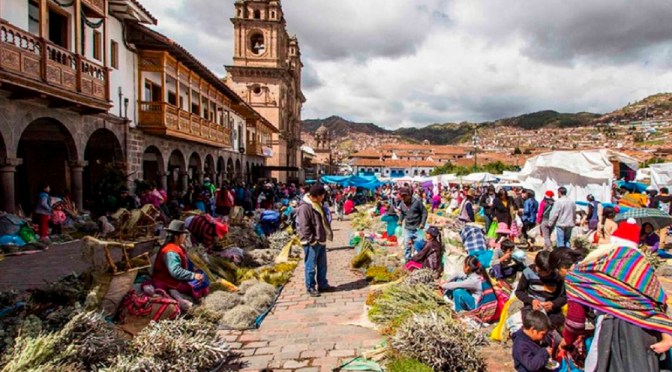
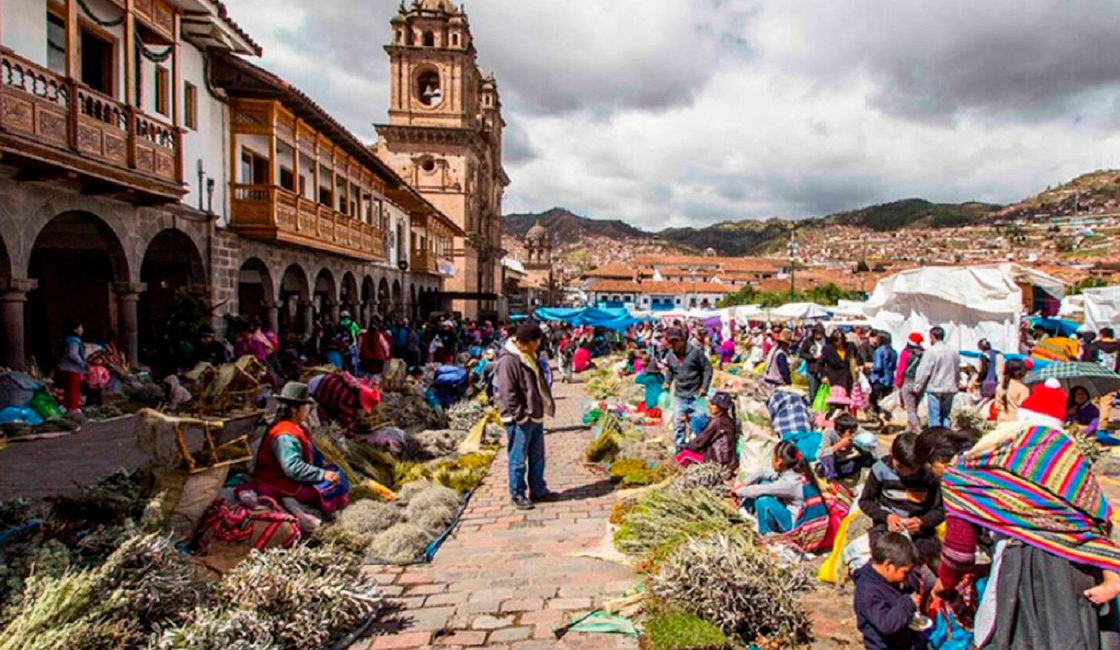
The 24th of December, during daytime, the central plaza of Cusco, the former Inca-capital turns into a spectacular place of encounter. A big market, Santurantikuy, Quechua for “Wind of the Saints” takes over the place. The market, declared National Cultural Heritage, attracts farmers, craftsmen from all over the region to sell their handicrafts and best products, made of wood, metal and cloth.
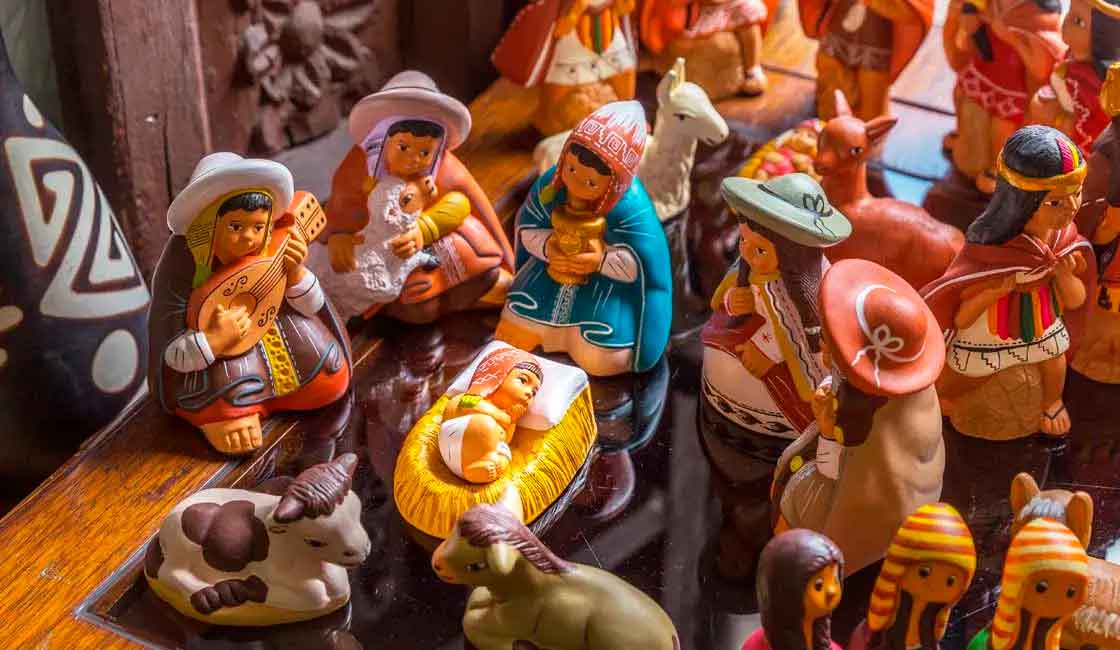
Niño Manuelito is often represented. This child is the big star of Cusco’s Christmas. Decorated abundantly with luxury and wrapped up in silver, he steals even Jesus’ limelight.
Manuelito is depicted as a child in traditional clothes with a thorn in his foot. Angela Pumayali, a historical guide and inhabitant of Cusco, explains that the tale of Manuelito descends from the countryside. Peruvian farmers and its folklore believed Jesus ran away from his static, rather boring position in the church to play with other children in the fields. During this escapade, a thorn got stuck in his foot. In 1975, this version gained large popularity all over Cusco when a famous artist started to use Manuelito’s image to represent the divine child. Manuelito is another typical example of the creative spirit in Cusco, where Catholic and Incan elements often mingle into a unique fusion.
At the market silver adornments as well as clothes for Manuelito are sold. As he grows, his outfit needs to be renewed.
In Chachapoyas young women, called “Las Pastoras” dress up in colourful woven clothes, carrying the divine child, from church to church, making them compete for best host among the girls.
While further south, near the border with Bolivia, around the lake Titicaca, families read coca-leaves on Christmas Eve in a way to predict the upcoming new year.
Christmas in the Peruvian Amazon.
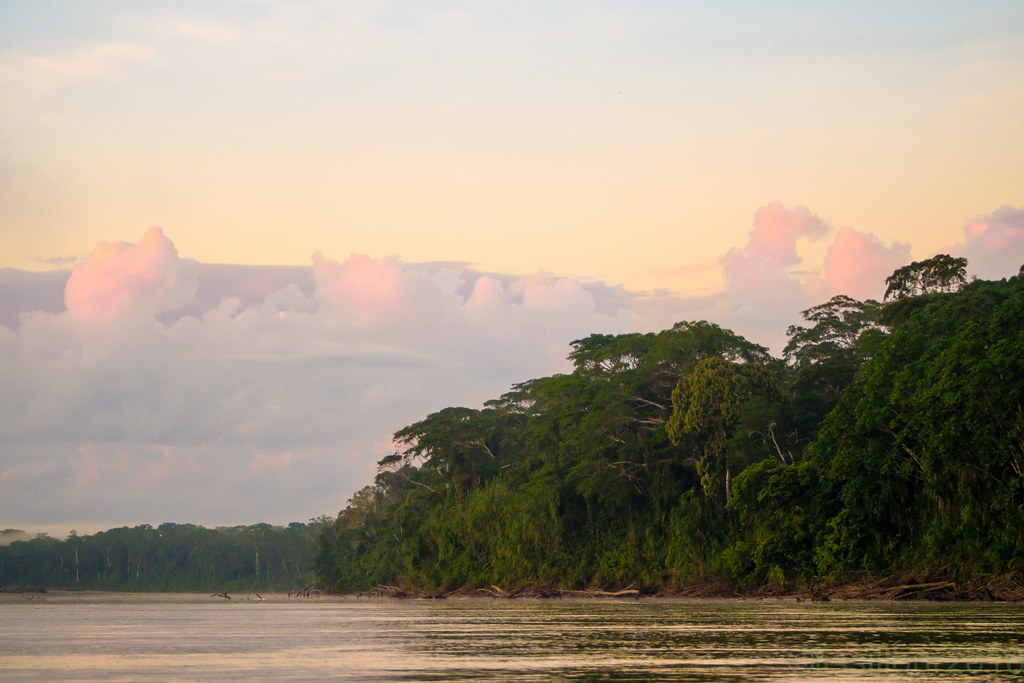
Where many in the English-speaking world are more likely to binge-watch Christmas specials on TV this year on Christmaszone than get outdoors, some Peruvians have the privilege of celebrating this time of year in the Amazon. Banana leaves and tropical fruit make up the decorations.
The tradition of “the little shepherds” is one of the most particular. At Christmas’ Eve, children dress up and go around visiting the Christmas scenes at the different houses. They receive candy and the typical Peruvian drink chicha morada. When the round is over, the little shepherds chose the winning Christmas scene by handing over a prize.
In another procession of Christmas Shepherds, neighbours gather and dress up as biblical figures following the Star of Bethlehem. Drums, whistles and Amazon-rooted chants accompany their march.
Christmas on the Coast.
The coast’s celebration of Christmas is the one that draws the most from European Christmas traditions. In Lima, like any metropolis, it’s mainly about shopping, lights and Christmas trees, with choirs of children and adults singing Christmas songs along to a soundtrack. In Chiclayo, children dress up like angels, singing songs and invading the streets. Tours To Machu Picchu
However, in certain places on the coast like Ica, where history showed its ugly face through colonial slavery, they celebrate “Black Christmas”. Here, the main character is depicted as “the Black Child”. It’s honoured through a lot of African-inspired dances and finds its zenith on the 24th. The same day, the Virgin of Carmen, also known as “La Peoncita”, is celebrated. She is carried around in processions bouncing on the rhythms of the quijada de burro (jawbone) and the cajóns.
Then, generally, people attend La Misa de Gallo (Rooster’s Mass) at 10 pm, where they bring their own images of the divine child and put them at the churches’ nativity scene to be blessed by the priest.
At midnight, people raise a toast with (a version of) champagne and baby Jesus is finally placed in his crib. After the fireworks and the crackers, the dinner takes off. In most families, it consists of turkey, hot chocolate, panettone, apple puree and Peru’s cocktail of national pride, the pisco sour.
Feliz Navidad!!!
Most importantly, make sure you know how to say “Merry Christmas!” to all your new friends in Peru. “Feliz Navidad!” is “Merry Christmas!” in Spanish, and how everyone will greet each other during the holidays.
 VIAJA Y CONOCE EL CUSCO Y DESCUBRE LOS HERMOSOS PARAJES ANDINOS !!!
 LLAMA Y HAZ TU RESERVACION:
 – 084
– 084  info@cuscodestination.com
 http://bit.ly/CuscoDestination
 cusco destination