Category Archives: AUSANGATE MOUNTAIN

Ausangate is the representative mountain of the Andes of Cusco

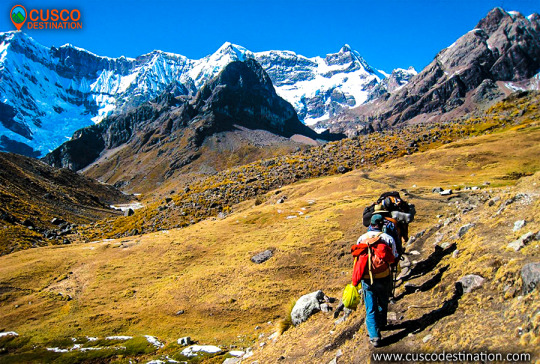
Ausangate is the representative mountain of the Andes of Cusco and Peru. It is located in the Vilcanota mountain range and is one of the most difficult areas to enter and that is very rare in Peru. Its main climate is 6,372 meters above sea level with large lagoons with a bright green / blue color. In addition there are rocks that make the area like a paradise and very modern. The Trek Ausangate is an indescribable adventure, and it is impossible not to be impressed by the enormous beauty of eternal snow. Often you will find stones at a height of more than 5000 meters and also rocks covered with ice tongues that when thawing, extending in magnificent ways forming ice lagoons. The Ausangate trek is one of the tourist destinations in Cusco. AUSANGATE TREK INFORMATION
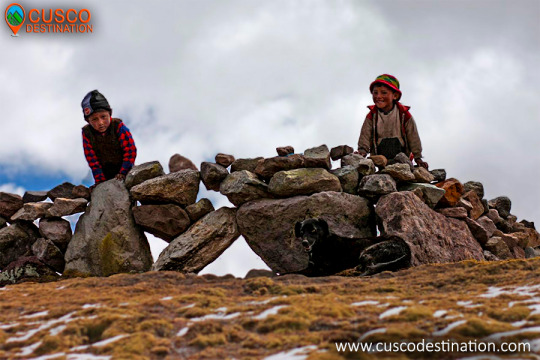
In the Inca mythology of this mountain and the nearby lakes – among which Sibinacocha stands out – the male energy is born that fertilizes the mother earth Pachamama, after a long flow, the waters are lost in the unknown lands of the Amazon to return, to fill the lakes and glaciers every night turned into the river of stars or Willkamayu known in the west as the Milky Way The Community of Chillca made up of shepherds of llamas and alpacas is known as the guardian of these pristine places, from where it can be done mountain walks spending the night in comfortable hostels or tambos, among which Machuracay Tambo stand out, in a trek called “Camino del Apu Ausangate”.

Every year on the north side of Ausangate the feast of Quyllur Rit’i (Quechua: “star snow”) is celebrated before the feast of Corpus Christi, during which thousands of Quechua pilgrims to the Lord of Quyllur Rit’i in the church from Sinakara. Snowy Ausangate normally takes a 7-day tour, it is an adventure that no one should miss.

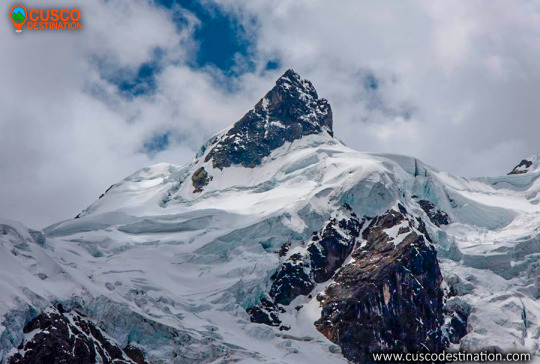
The Nevado Ausangate is a natural attraction that is located in the Ocongate district, within the Quispicanchi province, in the department of Cusco. That snow-capped mountain is part of the Vilcanota Mountain Range and, according to an ancient legend, was the brother of the snow-capped mountain of Salkantay.

Nevado Ausangate, has a height of 6,384 meters above sea level; and it is considered an apu, or protective deity of the towns that surround it; as well as the most representative mountain in the region. Its size is such that it can be appreciated even if one is in the Sacsayhuamán Fortress, not in vain is it considered the fifth highest mountain found in Peru.
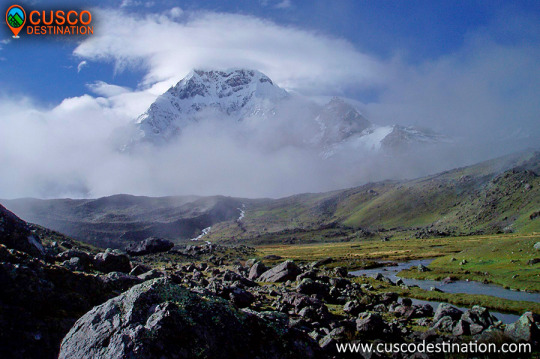
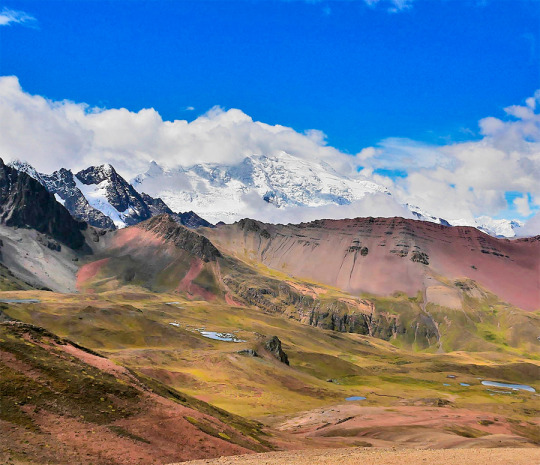
This beautiful snowy Cusco, impresses the eye, for its incredible natural formations; in that one not only are beautiful mirrors of water like the Sivinicocha, of turquoise waters, but also forests of stones, glaciers and high plains that seem to make this natural attraction a paradise on earth, especially for those tourists who are interested for adventure sports since the geographical features of Ausangate make it ideal for practicing sports such as rock climbing, ice climbing, trekking, among other activities.

The Nevado Ausangate is presented before our eyes as a mountain challenge; It is known that the first attempts to ascend it took place at the beginning of the fifties of the last century, there were two the first unsuccessful attempts to conquer the top of the powerful Apu, it was not until 1953, when a German expedition achieved the goal, Climbing the mountain on its southern slope, in posterity, new routes were opened for the conquest of the Apu, however, only in 1983, thirty years after the first ascent, Peruvian feet crowned the top of the majestic snow-capped mountain. AUSANGATE TREK ROUTES CUSCO – PERU
 

GENERAL INFORMATION OF THE AUSANGATE MOUNTAIN

Popular Adventure Programs in Nevado Ausangate

  1. Ausanagate Trek 5 Days
  2. Ausangate Circuit 6 Days
  3. Ausangate Walk and Sibinacocha Lagoon 7 Days

The snow of Ausangate is the fifth highest in Peru and the most representative of the Andes. It is located in the Vilcanota mountain range, it is one of the most difficult areas to access.

The highest peak of this snowfall passes 6,000 meters above sea level, in this place there are large lagoons with blue and green colors, there are also rocks that cause the area to be like a paradise and very modern. This is a very attractive place for people who practice adventure sports, thanks to its geographical accidents it is possible to practice climbing and trekking.

The snowy Ausangate is the representative mountain of Cusco and the Peruvian Andes. It is located in the Vilcanota mountain range and is one of the most difficult areas to visit which makes it a fabulous route to venture. Its main climate is 6,372 meters above sea level, with large green / blue lagoons. In addition there are rocks that make the area like a paradise. Performing the Ausangate trek is an indescribable adventure, and it is impossible not to be impressed by the enormous beauty of eternal snow. Often you will find mountains of a height of more than 5000 meters and also rocks covered with tongues of ice, spreading in magnificent forms forming ice lagoons. The Ausangate walk is one of the tourist destinations in Cusco.
In the Inca mythology of this mountain and the nearby lakes – among which Sibinacocha stands out – the masculine energy that fertilizes Mother Earth Pachamama is born, after a long course, the waters are lost in the unknown lands of the Amazon to return, to fill the lakes and glaciers every night turned into the river of stars or Willkamayu known in the West as the Milky Way The Community of Chillca constituted by shepherds of llamas and alpacas is known as the guardian of these pristine places, from where you can do mountain walks spending the night in comfortable hostels or tambos, among which Machuracay Tambo stand out, in a walk called “Path of the Apu Ausangate”.
Every year on the north side of the Ausangate, the festival of Quyllur Rit’i (Quechua: “star snow”) is celebrated before the feast of Corpus Christi, during which thousands of inhabitants make pilgrimages to the Lord of Quyllur Rit’i in the church from Sinakara. The Ausangate snowy usually takes 7 days tours, it is an adventure that no one should miss.


AUSANGATE TREK INFORMATION

The first attempt to ascend the snow of Ausangate, was at the beginning of the 50’s, being the first 2 attempts frustrated. It had to wait until 1953, for a German expedition to reach the top of the Apu, ascending on the south side. Later, new routes were implemented to climb to the top of the mountain. Only in 1983, Peruvian feet reached the top of the snow.

Location

It is located in the district of Ocongate, in the province of Quispicanchi, belonging to the department of Cusco in the Vilcanota mountain range.

Climate and temperature

The predominant climate of the area is cold, at night it reaches temperatures below 5 ° C, by day it can be up to 20 ° C, it also has cold winds during parts of the day. In the area there are also rains and snowfall.

Altitude

The maximum peak of the Ausangate snowfall is 6,372 meters above sea level.

How to get to Ausangate Snowy

There are 2 routes to get to the mountain, the first is to go by bus from Cusco to the town of Chilca, from here you can take a walk from 4 to 5 hours to the Base Camp.The other route is a bit longer but cheaper, this is to go from Cusco to the town of Tinki by bus and then take a bus to Pacchanta. From this point along the steel gorge, it is 8 to 10 hours to the Ausangate Base.

adventure sports

  1. Ausangate Trek
  2. Climbing

Coyllur Riti party

Between the snow-capped mountains of Ausangate and Sinakara, is the Coyllur Riti Shrine, popularly known by the inhabitants of the area as Taytacha Coyllur rit’i, whose meaning is Lord of the Shining Snow. Every year here in the months of May or June, the Coyllur Riti festival has been celebrated since ancient times. Celebration during which thousands of Quechua pilgrim to the Lord of Coyllur Riti. This ritual is associated with the fertility of the land and with the worship of the Apus (hills, gods, guardians), one of the largest indigenous nations of America is celebrated.


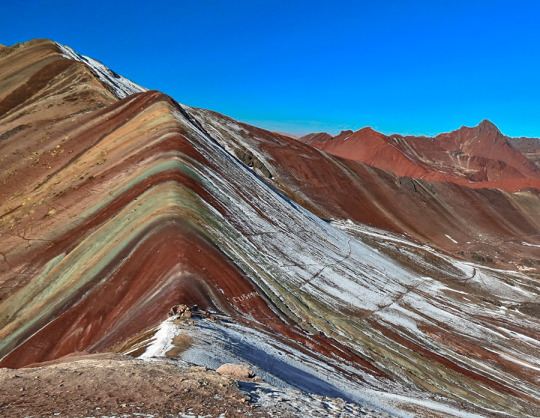
The different colors of the Rainbow Mountain in Cusco

Many people ask the question of why the Colors of the Rainbow Mountain, in this article we will answer all your questions and you will find some other things.
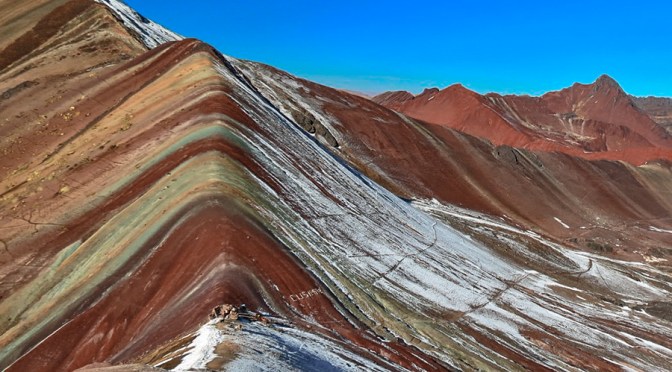
The Vinincunca mountain of colors has come to fame very quickly, becoming one of the most visited tourist places in Peru by tourists from all over the world, for the great attraction of its colors and its beautiful landscape view of its snow-capped mountains that has captivated More than one visitor, if we look up at the horizon we will be able to see the rocky mountains, the red valley, that if they could speak for sure they would tell us a lot of stories from past times and tourists who visit it day by day. RAINBOW MOUNTAIN INFORMATION:

The concern to know the reason for its colors leads us to ask ourselves many questions and to obtain the answers we go back to approximately 24 million years ago.

Rainbow Mountain Formation Processes

The formation of the 7-color mountain according to studies dates from the Campanian era, which is part of the geological era belonging to the Cretaceous; where the continents were already separated and many of them covered with seas, so the seven-colored mountain was also covered with shallow sea.

Geological era of the Cretaceous and Paleocene

After many millions of years the Cretaceous geological era goes down in history with the extinction of the dinosaurs, as a result of the fall of a meteorite, so the climatic conditions begin to change and some seas dry up, that is where the geological era of the paleócene many mountains covered with sea are discovered and among them the mountain of seven colors appears, the mountains that appeared in the light were massive rocks that with the climatic conditions of many millions of years these have been eroding and becoming different colors according to its composition elements.

If we visit the Vinincuca mountain and approach the safety rope that protects the mountain, we will be able to observe that it is not really fine colored sand as we might think, but rather it is particles of rocks in the process of erosion.

If we do not have the opportunity to get closer to the mountain, we can be very observant along the way, we will surely find some eroded colored rocks, there we can better observe and feel them.

Among its colors we can find the following composition:

  • Pink color: Composition of red clay, mud and sand.
  • Off-white color: White quartz sandstones
  • Brown, brown and purple color: Composed of limonites and marls, rich in calcium carbonate.
  • Red color: Composed of clays and clays rich in iron
  • Green color: Composed of phyllites and clays rich in magnesium iron.
  • Brown color: They are earthy is a product of rock fanglomerate with magnesium.
  • Mustard yellow color: Composed of calcareous sandstones rich in sulfur minerals.

ALL INFORMATION OF RAINBOW MOUNTAIN AND AUSANGATE