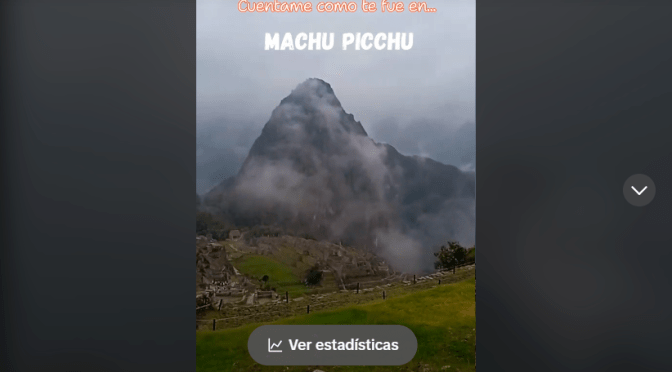
👉 “Mi visita a Machu Picchu fue mágica, incluso con una ligera lluvia que envolvía la ciudadela en una neblina mística. El clima le dio un encanto especial, haciendo que cada rincón se sintiera más sagrado y lleno de historia.”
Category Archives: cusco
Celebrating Christmas in the Peruvian Andes
Christmas Traditions in Peru is a very special time of year in the largely Roman Catholic country, full of cozy traditions and religious celebrations with friends and family. Some celebrations are very reminiscent of those in other countries such as North America and Europe, however the holiday certainly gets a unique Peruvian touch with many traditions entirely its own. From regional dishes to decorations to city-by-city events, there is also a huge variation in how different parts of the South American country celebrate. It may not be the white Christmas we’re used to, but a Christmas in Peru is one you definitely won’t forget. Though traditions may vary by region, there are some that are common to the nation as a whole.
Christmas in the Andes.
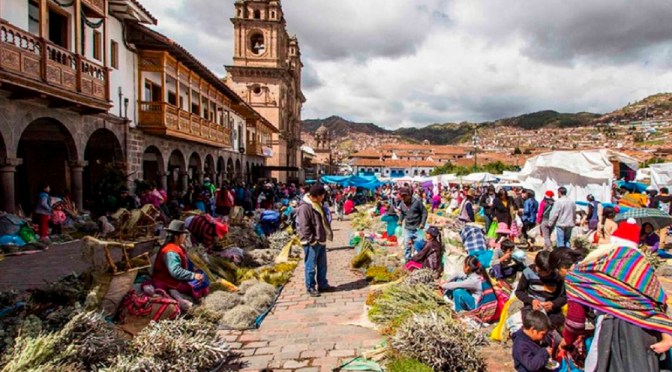
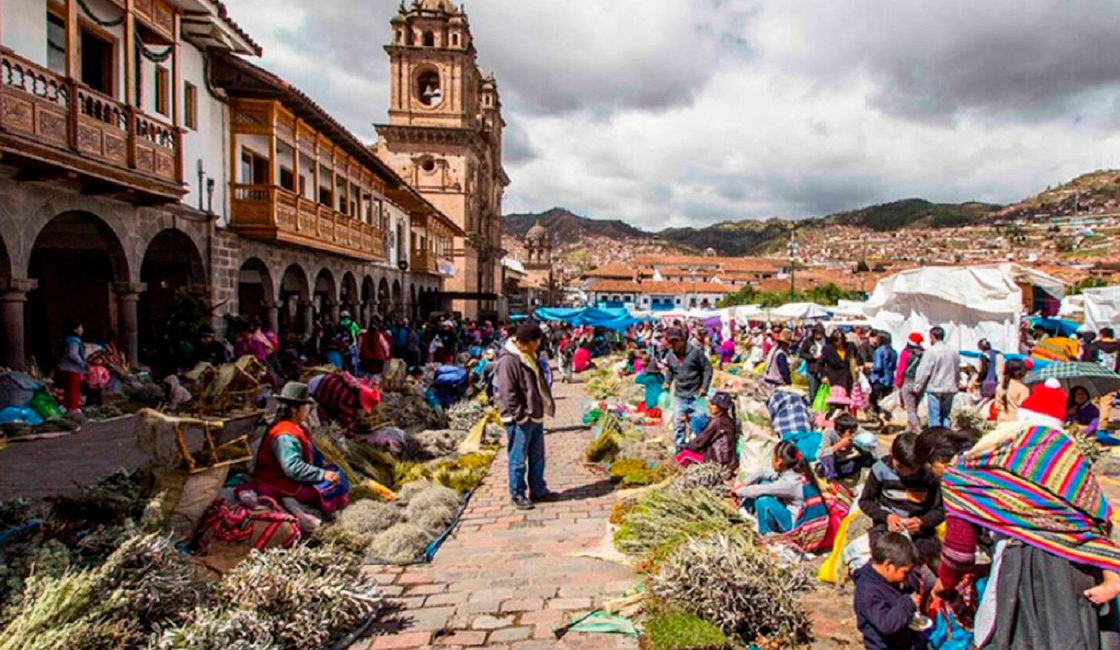
The 24th of December, during daytime, the central plaza of Cusco, the former Inca-capital turns into a spectacular place of encounter. A big market, Santurantikuy, Quechua for “Wind of the Saints” takes over the place. The market, declared National Cultural Heritage, attracts farmers, craftsmen from all over the region to sell their handicrafts and best products, made of wood, metal and cloth.
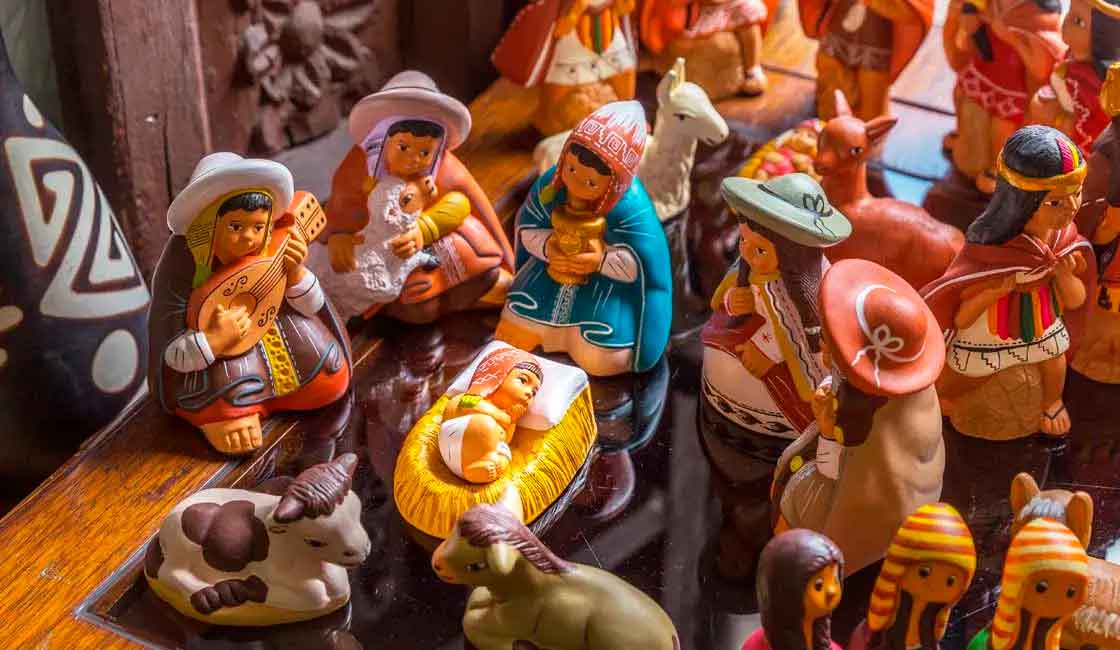
Niño Manuelito is often represented. This child is the big star of Cusco’s Christmas. Decorated abundantly with luxury and wrapped up in silver, he steals even Jesus’ limelight.
Manuelito is depicted as a child in traditional clothes with a thorn in his foot. Angela Pumayali, a historical guide and inhabitant of Cusco, explains that the tale of Manuelito descends from the countryside. Peruvian farmers and its folklore believed Jesus ran away from his static, rather boring position in the church to play with other children in the fields. During this escapade, a thorn got stuck in his foot. In 1975, this version gained large popularity all over Cusco when a famous artist started to use Manuelito’s image to represent the divine child. Manuelito is another typical example of the creative spirit in Cusco, where Catholic and Incan elements often mingle into a unique fusion.
At the market silver adornments as well as clothes for Manuelito are sold. As he grows, his outfit needs to be renewed.
In Chachapoyas young women, called “Las Pastoras” dress up in colourful woven clothes, carrying the divine child, from church to church, making them compete for best host among the girls.
While further south, near the border with Bolivia, around the lake Titicaca, families read coca-leaves on Christmas Eve in a way to predict the upcoming new year.
Christmas in the Peruvian Amazon.
Where many in the English-speaking world are more likely to binge-watch Christmas specials on TV this year on Christmaszone than get outdoors, some Peruvians have the privilege of celebrating this time of year in the Amazon. Banana leaves and tropical fruit make up the decorations.
The tradition of “the little shepherds” is one of the most particular. At Christmas’ Eve, children dress up and go around visiting the Christmas scenes at the different houses. They receive candy and the typical Peruvian drink chicha morada. When the round is over, the little shepherds chose the winning Christmas scene by handing over a prize.
In another procession of Christmas Shepherds, neighbours gather and dress up as biblical figures following the Star of Bethlehem. Drums, whistles and Amazon-rooted chants accompany their march.
Christmas on the Coast.
The coast’s celebration of Christmas is the one that draws the most from European Christmas traditions. In Lima, like any metropolis, it’s mainly about shopping, lights and Christmas trees, with choirs of children and adults singing Christmas songs along to a soundtrack. In Chiclayo, children dress up like angels, singing songs and invading the streets. Tours To Machu Picchu
However, in certain places on the coast like Ica, where history showed its ugly face through colonial slavery, they celebrate “Black Christmas”. Here, the main character is depicted as “the Black Child”. It’s honoured through a lot of African-inspired dances and finds its zenith on the 24th. The same day, the Virgin of Carmen, also known as “La Peoncita”, is celebrated. She is carried around in processions bouncing on the rhythms of the quijada de burro (jawbone) and the cajóns.
Then, generally, people attend La Misa de Gallo (Rooster’s Mass) at 10 pm, where they bring their own images of the divine child and put them at the churches’ nativity scene to be blessed by the priest.
At midnight, people raise a toast with (a version of) champagne and baby Jesus is finally placed in his crib. After the fireworks and the crackers, the dinner takes off. In most families, it consists of turkey, hot chocolate, panettone, apple puree and Peru’s cocktail of national pride, the pisco sour.
Feliz Navidad!!!
Most importantly, make sure you know how to say “Merry Christmas!” to all your new friends in Peru. “Feliz Navidad!” is “Merry Christmas!” in Spanish, and how everyone will greet each other during the holidays.
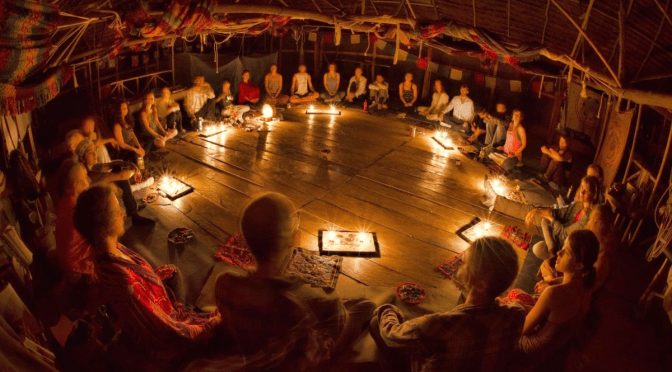
What is the Ayahuasca Ceremony in Peru?
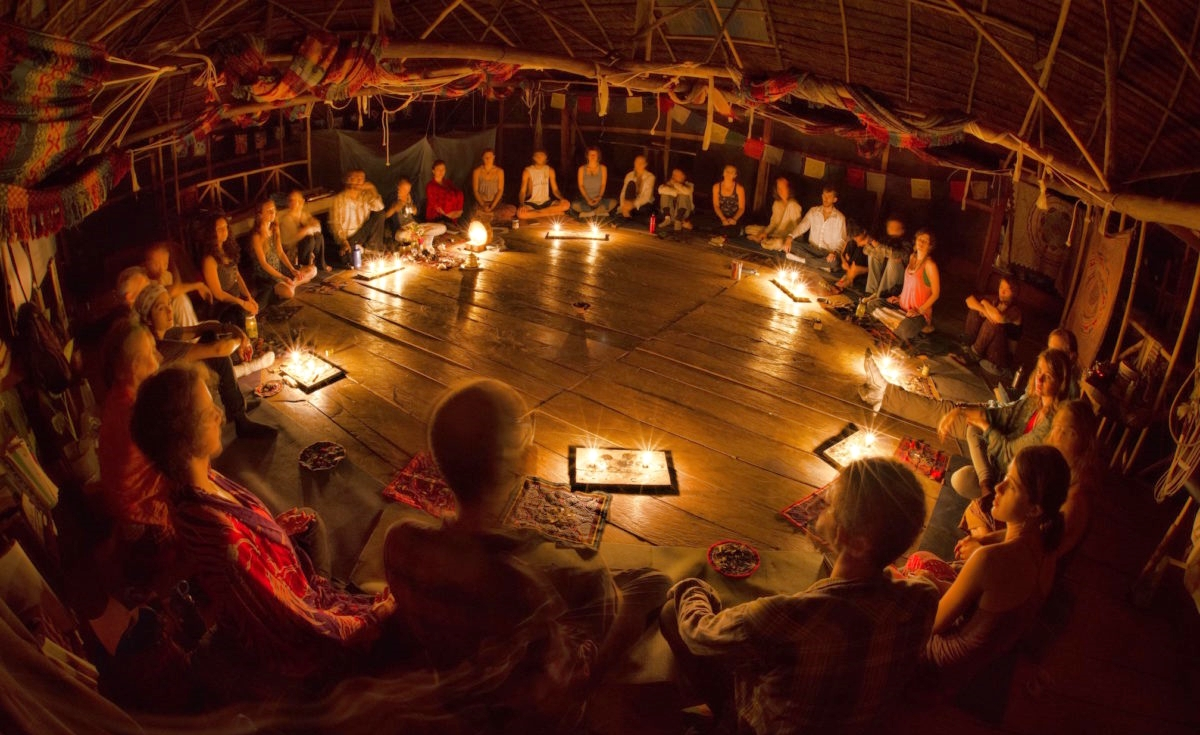
It’s no surprise that Peru is a must-see destination for many travelers. From Machu Picchu tours and the Rainbow Mountains to the rich history, delicious food, and unique culture, visiting Peru is an unforgettable experience.
Aside from taking hikes or tours, many tourists enjoy immersing themselves in traditions or festivals like Inti Raymi or a spiritual Ayahuasca ceremony.
Whether you’re planning a trip to Peru to take part in an Ayahuasca ceremony or are curious to know more about why people describe it as a spiritual awakening, we discuss everything you might need to know.
What is Ayahuasca?
So, can you do Ayahuasca in Peru? Yes, you can. First of all, it is a good idea to eliminate any misconceptions you have about Ayahuasca. Despite the tabloid media and other news, Ayahuasca is not a recreational drug. It is not something to get high and enjoy the moment or a magic pill that will solve your problems. For the indigenous people of the Amazon, Ayahuasca is more than a simple plant, it is a spirit, a sacred and ancestral ritual for healing.
And what exactly is Ayahuasca? It is an infusion made by shamans of the Amazon jungle. It serves to enter altered states of consciousness and obtain new perspectives on life. Historically, it is known that many visited shamans to heal themselves from physical, mental, or emotional reliefs. In general, those who drank from the infusion did so in order to receive guidance from the “spirit” that inhabits the plant. Today, the tradition remains strongly rooted in Ayahuasca ceremonies. And during the last decades, shamans began to serve the infusion to different patients under their supervision.
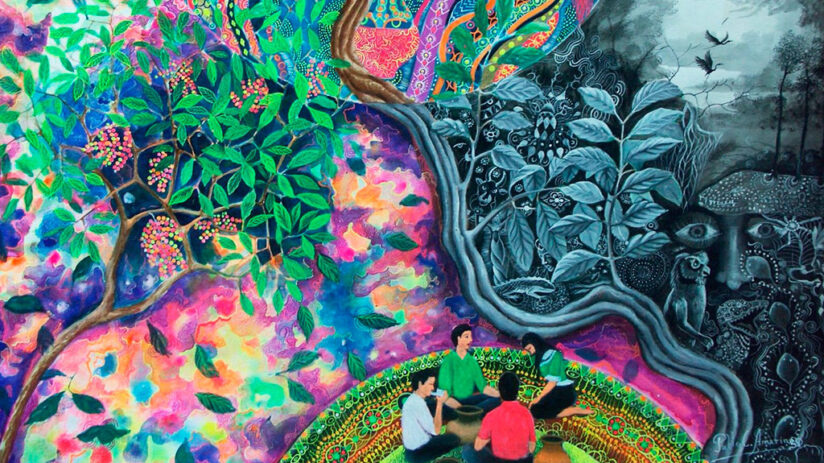
Ayahuasca is a jungle vine that grows in the middle of the jungle. It is commonly found in the territories of Colombia, Peru, Bolivia, Brazil, and the Guyanas. The plant is quite revered by the indigenous tribes as well as the shamans of the Andean regions. It is considered a “Master Plant”. The term Ayahuasca derives from the ancient Quechua language. The Quechua words “Aya” translates to the dead, while “Huasca” translates to vine or rope. That is to say, the “Rope of the Dead” or the “Vine of the Dead”. The concoction has been used for more than 5000 years for both individual and collective healing. If you are looking to visit Machu Picchu, you can enjoy one of these ceremonies.
Despite common belief, preparing Ayahuasca in Peru is quite difficult. Most of those who try it do not have the desired effects or even have bad experiences accompanied by indigestion. Therefore, if you are looking to try the real thing, you have to travel to the Amazon basin and do it with a renowned Shaman. Ayahuasca is made by shamans using the Ayahuasca vine and the Chacruno leaves. Both can be obtained naturally in the middle of the Amazon basin. The Ayahuasca vine naturally contains natural chemical compounds that resemble DMT. While the Chacruno leaves allow their metabolization within the body.
According to tradition, these two plants must be collected on a full moon or in the morning. In addition, whoever picks it up must be fasting. It takes about ten kilos of Ayahuasca to prepare the infusion. For this, the Ayahuasca vine is crushed to make them easier to cook. Then a kilo of Chacruna is added. Depending on the shaman, the concoction can include tobacco and coca leaves.
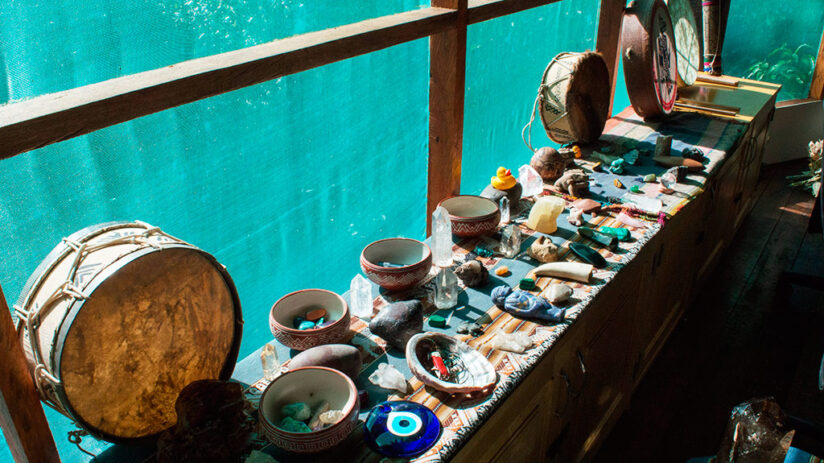
Note that the preparation is boiled for 12 hours in about 50 liters of water. And while it is being prepared, it is accompanied by shamanic chants known in the Amazon as Icaros. It is also accompanied by tobacco puffs while asking for specific intentions. Both the songs and the intentions are invocations to the spirit of Ayahuasca. The 50 liters of the initial preparation is reduced to only 2 liters of Ayahuasca. The end result is a liquid with a viscous texture and a reddish-ocher color. This is one of the many ways to prepare, but everything will depend on the Shaman and his traditional methods.
MANU NATIONAL PARK INFO
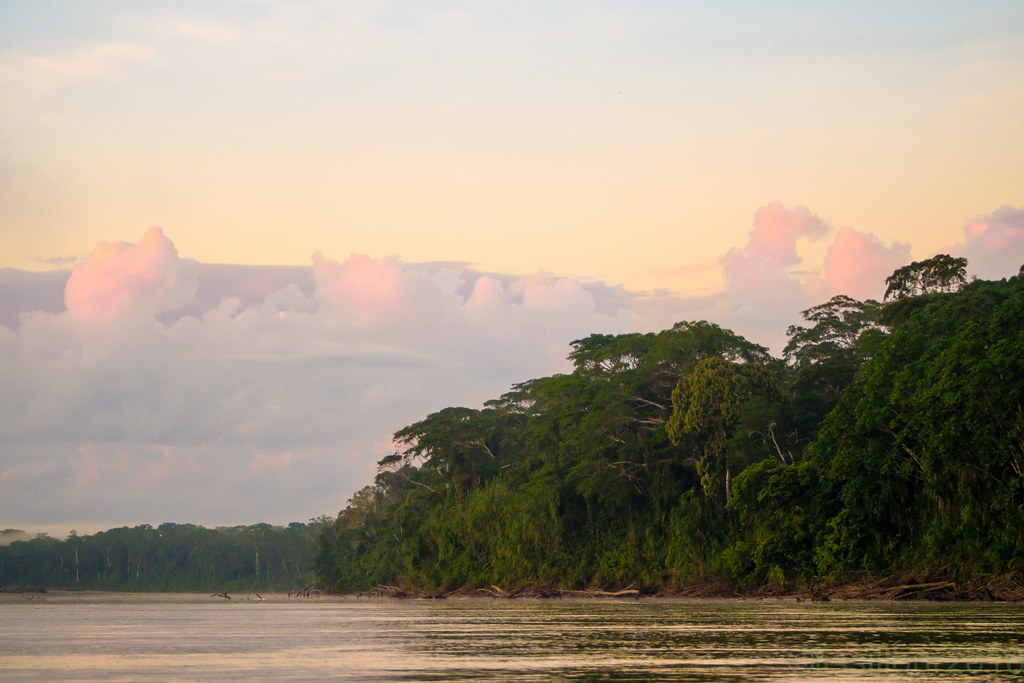
Peru the best destination in the amazon, because has a rich part and virgins in the flora and fauna of the Amazon, are found along the eastern slopes of the Andes in Peru in a region called Manu National Park and Biosphere Reserve.
Wildlife and Birding in Manu Park.
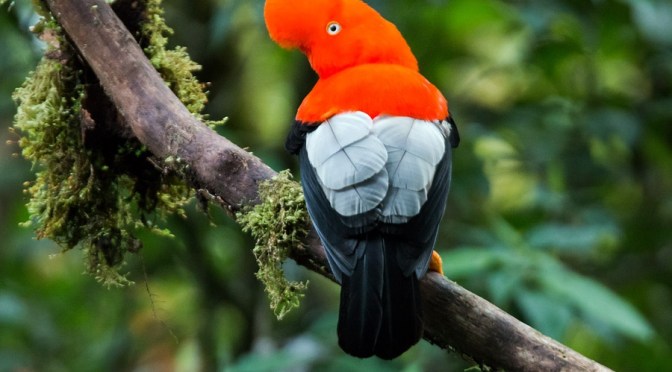
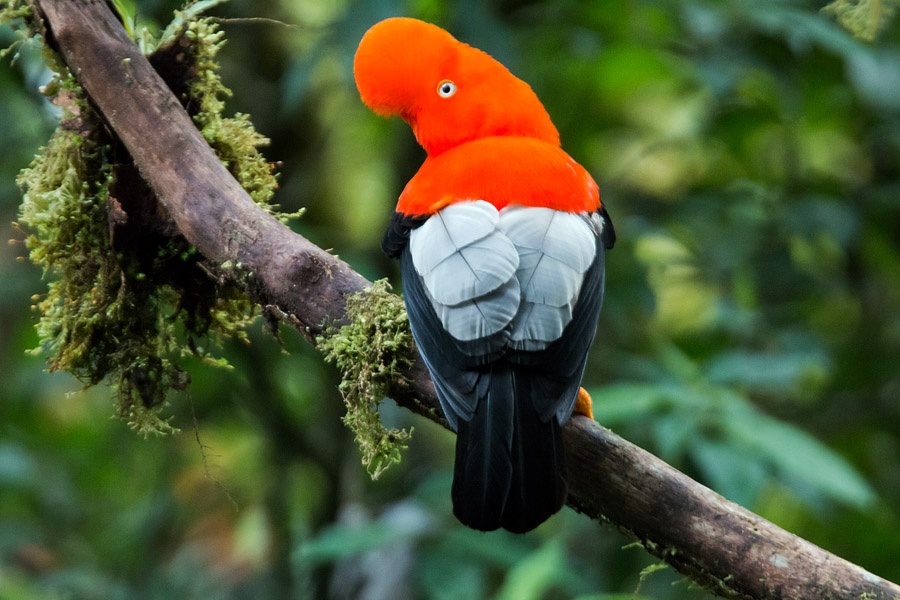
Overall, more than 15,000 recorded species of plants are found in this exciting region, and almost 250 varieties of trees have been found in a single hectare of this rich reserve. It is also a popular destination for birdwatchers, as Manu is home to over 1000 different species of birds including skimmers, terns, herons, egrets, Orinoco geese, parrots, macaws, and even the rare Cock of the Rock.
Things to do in Manu National Park.
Explore trails that lead out to lookout points high above the river to watch roosting flights of parrots as the sun sets or encounter a troop of monkeys swinging by. Travel downriver on a dugout canoe late at night in search of nocturnal inhabitants of the forest. Visit nearby clay licks, one of the world’s great wildlife spectacles, watching hundreds of parrots and their larger relatives, macaws, congregate at this traditional locality to eat clay that is essential to their digestion.
Getting to Manu National Park
Due to its isolation, Manu National Park takes time to reach but is well worth the reward for real nature lovers. Depending on the lodge you stay at, and thus its location within the national park, there are two main points of access: either fly to Cusco and from here take an overland road transfer to your chosen lodge or alternatively fly to Puerto Maldonado (direct, regular flights from both Lima and Cusco), and then take a boat downriver to your chosen jungle lodge. Cusco Journeys will help arrange all the logistics as part of any tailormade trip to Peru.
Why Peru the best destination in the amazon.
Many biologists believe that Manu has a greater biodiversity than any other rainforest reserve in the world.
 cusco destination