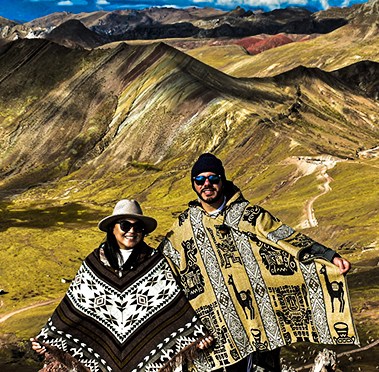
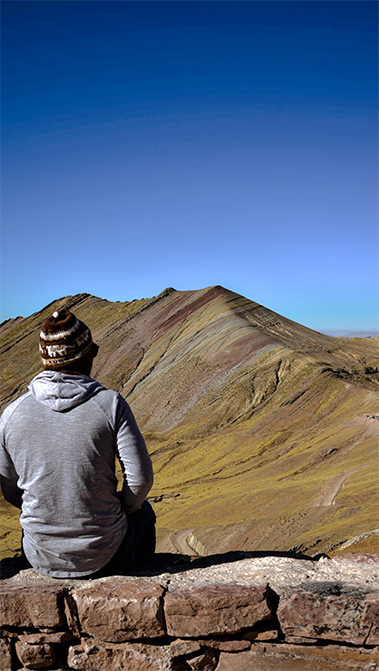
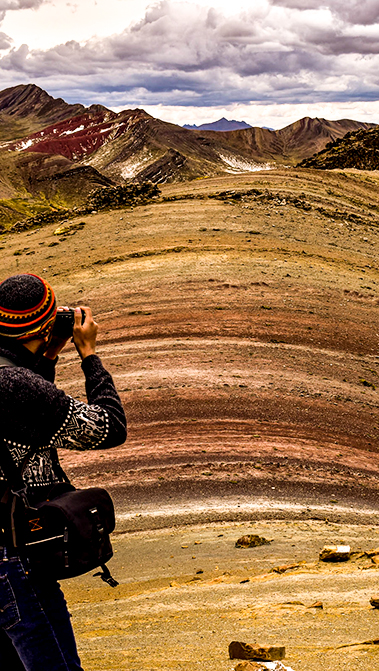
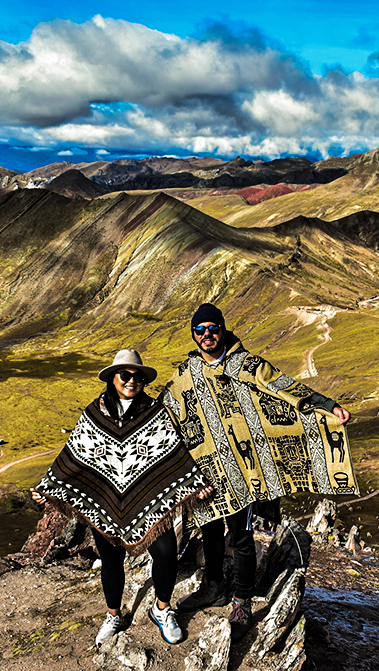
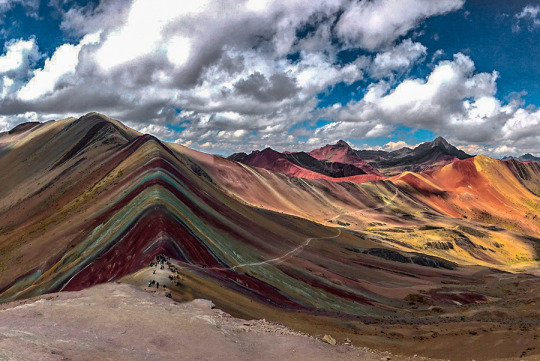
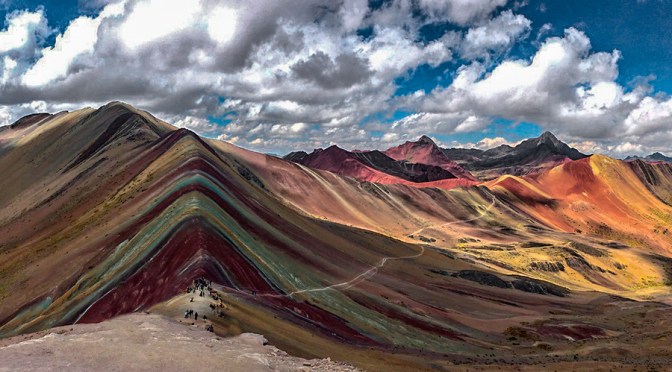
According to the research, the coloration of the rainbow mountain is due to the composition of minerals that it has: the pink color is for the red clay, fangolitas and arilitas. The whitish, for the quartzose sandstone and marls, rich in calcium carbonate. The red is composed of the clay (iron) and clays belonging to the upper tertiary. The green is due to the compound of phyllites and clays rich in ferro magnesian. The earthy brown is a product of fanglomerate composed of rock with magnesium belonging to the Quaternary era. And the mustard yellow color for the calcareous sandstones rich in sulfur minerals, the vinicunca mountain is rich in all these minerals. RAINBOW MOUNTAIN INFORMATION
Useful Information
– Starting Altitude – 3800m / 12,467ft..
– Highest Altitude – 5000m / 16.404ft.
– Meals – 2 breakfast, 2 lunch, 1 dinner
– Overall Difficulty – Moderate
– STARTING POINT: – Cusco at your hotel
RAINBOW MOUNTAIN ITINERARY
DAY 1: CUSCO – OCONGATE – UPIS
This first day we’ll leave Cusco very early for our three-hour trip in a private vehicle to the small village of Tinqui (3,800 meters). We will go by beautiful landscapes and several traditional villages as Urcos, Cattca and Ocangate. In Tinqui we will have lunch, after lunch we begin to walk through beautiful mountain landscapes with great views of Mount Ausangate. We walk for an average of 4 hours to reach the hot springs in Upis (4400 meters). In this place we will have dinner and spend the night.
DAY 2: UPIS – PUCA COCHA
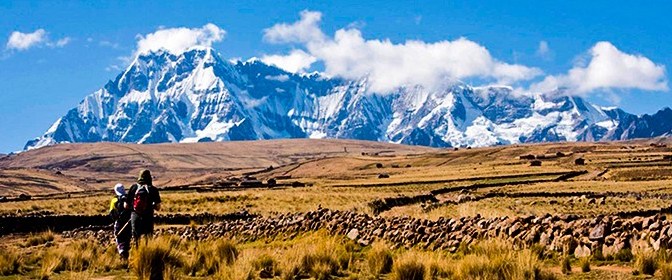
After breakfast, we head to the first pass called the Abra Arapa (4850 meters). After passing the Abra we will have lunch, After lunch we continue on to Lake Pucacocha- a blue lake and a perfect stop for a break. Along the way you will see local herders and llamas, Ausangate mountain to your left, and you will have your expert guide explaining the history of the locals and talking about the landscape along the way. If you’re lucky you may see condors and vicuñas at our campsite where you will be surrounded by high mountains and incredible glaciers- watch for the Ausangate glacier crashing into the lake below! As always camp will be set up for you to change and rest your weary legs and dinner will be prepared.
DAY 3: PUCA COCHA — ANANTA
After breakfast, We will start with a steep ascent of Puca Cocha pass. While is partially difficult, this pass boasts incredible views the entire way. The higher you get the more impressive the lake is below and Ausangate mountain sitting directly across from we. Take some time to enjoy these beautiful views. We will have plenty of time to take wonderful and impressive photographs. After conquering the pass we continue through a vivid green valley with llamas grazing everywhere. As you approach our destination for the day we will have camp set up for you to enjoy your surroundings and relax.
DAY 4: ANANTA — RAINBOW MOUNTAIN — Q´ESIUNO — CUSCO
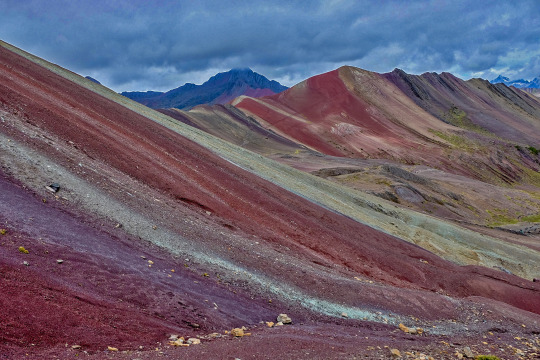
We will wake you up extra early in the morning so you will can be the first people to the top of the Rainbow Mountain. After a hot breakfast, and some coca tea we will start with the first uphill climb- Ananta pass. Here you will see the beautiful Rainbow Mountain in the distance. From here you descend to a large valley and continue walking until we are presented with one final climb to the Vinicunca Mountain. We are going be the first ones at the Rainbow Mountain to enjoy the place at all with plenty of time for photographing, walk around and enjoy the beauty of the area. After we hike downhill for 2.5 hours to Qesoyuno where you have a delicious lunch surrounded by mountains. After lunch the car from the company will pick up us to drive back to cusco for 3.5 hours to take you back to your hotel.
WHAT TO BRING
Andes (South America)
Vilcanota mountain range (Andes), in Peru, with an altitude of 6,372 m above sea level. It is located about 100 kilometers southeast of the city of Cusco. AUSANGATE TREK INFORMATION
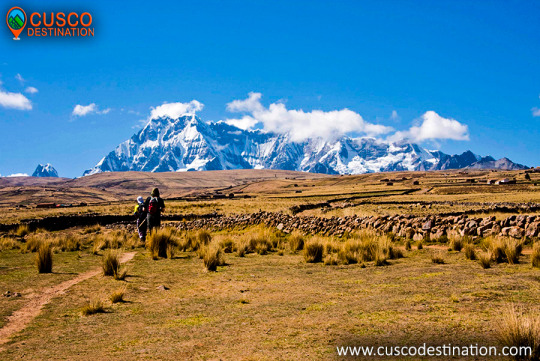
Every year, hundreds of mountaineers visit the Andean region of Peru. However, not many are aware of the existence of Ausangate, one of the Inca divinities of 6,410 meters high.
Located near Cusco, the “mountain of seven colors” is the fifth highest peak in Peru. Its remote existence from traditional routes means that few tourists approach its walls and glaciers; However, it is worth visiting for its unmatched beauty.
During the Inca Empire, Ausangate embodied one of its most important divinities. Distinction that still lasts; since, the inhabitants who live in the surroundings continue to consider her as an unreachable and sacred god.
The moderate difficulty of ascending the mountain and the possibility of living a unique experience outdoors, make visiting Ausangate a relevant option.
How to get?. Ausangate is located about 100 kilometers southeast of the city of Cusco. Leaving the city by car, the estimated travel time is 3 hours. Upon arrival in Chilca, you have to continue walking for another 3 hours, approximately, until you arrive at this formidable mountain of colors.
For tourists who do not have their own vehicle, there is the possibility of hiring a tour from the city of Cusco, or renting a private vehicle from Thrifty, one of the leading companies in the business.
Ausangate is the representative mountain of the Andes of Cusco and Peru. It is located in the Vilcanota mountain range and is one of the most difficult areas to enter and that is very rare in Peru. Its main climate is 6,372 meters above sea level with large lagoons with a bright green / blue color. In addition there are rocks that make the area like a paradise and very modern. The Trek Ausangate is an indescribable adventure, and it is impossible not to be impressed by the enormous beauty of eternal snow. Often you will find stones at a height of more than 5000 meters and also rocks covered with ice tongues that when thawing, extending in magnificent ways forming ice lagoons. The Ausangate trek is one of the tourist destinations in Cusco. AUSANGATE TREK INFORMATION
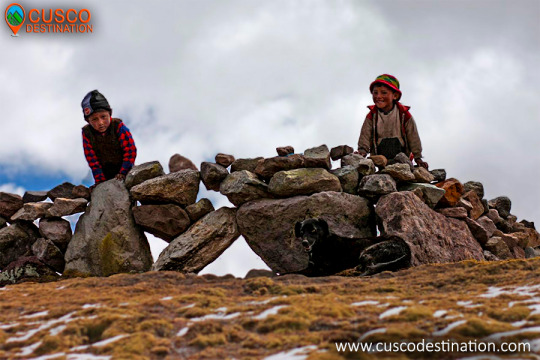
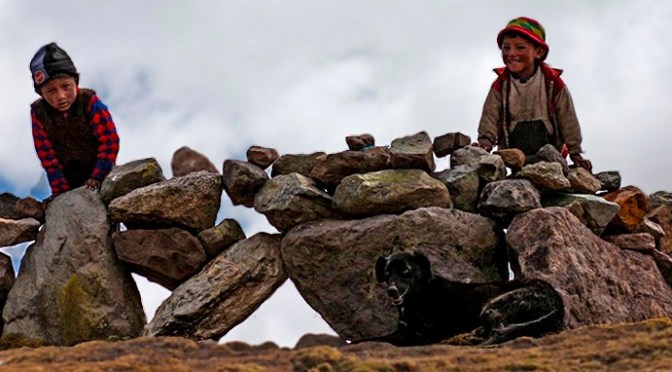
In the Inca mythology of this mountain and the nearby lakes – among which Sibinacocha stands out – the male energy is born that fertilizes the mother earth Pachamama, after a long flow, the waters are lost in the unknown lands of the Amazon to return, to fill the lakes and glaciers every night turned into the river of stars or Willkamayu known in the west as the Milky Way The Community of Chillca made up of shepherds of llamas and alpacas is known as the guardian of these pristine places, from where it can be done mountain walks spending the night in comfortable hostels or tambos, among which Machuracay Tambo stand out, in a trek called “Camino del Apu Ausangate”.
Every year on the north side of Ausangate the feast of Quyllur Rit’i (Quechua: “star snow”) is celebrated before the feast of Corpus Christi, during which thousands of Quechua pilgrims to the Lord of Quyllur Rit’i in the church from Sinakara. Snowy Ausangate normally takes a 7-day tour, it is an adventure that no one should miss.
The Nevado Ausangate is a natural attraction that is located in the Ocongate district, within the Quispicanchi province, in the department of Cusco. That snow-capped mountain is part of the Vilcanota Mountain Range and, according to an ancient legend, was the brother of the snow-capped mountain of Salkantay.
Nevado Ausangate, has a height of 6,384 meters above sea level; and it is considered an apu, or protective deity of the towns that surround it; as well as the most representative mountain in the region. Its size is such that it can be appreciated even if one is in the Sacsayhuamán Fortress, not in vain is it considered the fifth highest mountain found in Peru.
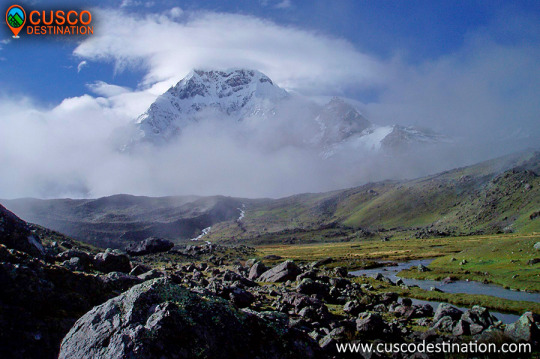
This beautiful snowy Cusco, impresses the eye, for its incredible natural formations; in that one not only are beautiful mirrors of water like the Sivinicocha, of turquoise waters, but also forests of stones, glaciers and high plains that seem to make this natural attraction a paradise on earth, especially for those tourists who are interested for adventure sports since the geographical features of Ausangate make it ideal for practicing sports such as rock climbing, ice climbing, trekking, among other activities.
The Nevado Ausangate is presented before our eyes as a mountain challenge; It is known that the first attempts to ascend it took place at the beginning of the fifties of the last century, there were two the first unsuccessful attempts to conquer the top of the powerful Apu, it was not until 1953, when a German expedition achieved the goal, Climbing the mountain on its southern slope, in posterity, new routes were opened for the conquest of the Apu, however, only in 1983, thirty years after the first ascent, Peruvian feet crowned the top of the majestic snow-capped mountain. AUSANGATE TREK ROUTES CUSCO – PERU
 cusco destination