Tag Archives: journeys

INCA JUNGLE TRAIL TO MACHU PICCHU ITINERARY

Our Inca Jungle Short is a quick way to combines adventure sports such as mountain biking, river rafting, zip line and trek for 3 days until you reach Machu Picchu.

The Inca Jungle Trail Short combines adventure sports such as mountain biking, rafting, zip line and trekking for 3 days until you reach Machu Picchu and one of the additional mountains “Machu Picchu Mountain” or “Huaynapicchu”. The Inka Jungle Trail is the favorite tour for young people from all over the world who come to Cusco in search of adventure and extreme sports. As a Tourism Agency located in Cusco we offer a differentiated service; with an exclusive route, trained guides (real command of English and local history), bicycles equipped for downhill, the safest rafting and zipline services. We recommend our passengers book in advance to have everything insured and avoid unnecessary risks such as loss of equipment, lack of access to Machu Picchu, Machu Picchu Mountain, Huayna Picchu or even worse, being stranded in Aguas Calientes (no return train).

Useful Information

Starting Altitude: 4400m / 14435ft.
Highest Altitude: 4350 meters / 14271 ft.
Minimum Altitude: 1430 meters / 4691 ft
Biking distance: 65km / 40 mile
Biking time: 3.5 to 4 hour approximately.
Hiking distance: 19 Kilometers / 12.3 mile
Overall Difficulty: Moderate

IMPORTANT INFORMATION:

The Abra Malaga is a mountain pass that lies between the town of Ollantaytambo and Quillabamba, through unique Andean ecosystems. This path contains two types of well-defined areas: The Abra (4,297 m) and the lower part (Carrizales 3,245 m). The birds that you’ll observe are rare and highly sought after.
In Santa Teresa there are thermal baths: Cocalmayo, composed of 3 pools of different sizes, temperatures and depth. You can also do adventure sports like rafting, kayaking and zip line
Machu Picchu is one of the 7 Wonders of the Modern World, Heritage of Humanity, Historical Sanctuary of Peru and probably the most important archaeological site in Latin America.
Machu Picchu is majestic architecture comprises 140 structures throughout the citadel.
Machu Picchu is was built by the Inca Pachacutec around the year 1460
After being forgotten, it was only in 1911 that the American Hiram Bingham reached Machu Picchu on an expedition and spread the site worldwide.

Brief Itinerary

– DAY 1: CUSCO – SANTA MARIA – SANTA TERESA (BIKING)
– DAY 2: SANTA TERESA – AGUAS CALIENTES (TREKKING)
– DAY 3: MACHU PICCHU – CUSCO

INCA JUNGLE ROUTE TO MACHU PICCHU


DAY 1: CUSCO – SANTA MARIA – SANTA TERESA (BIKING)
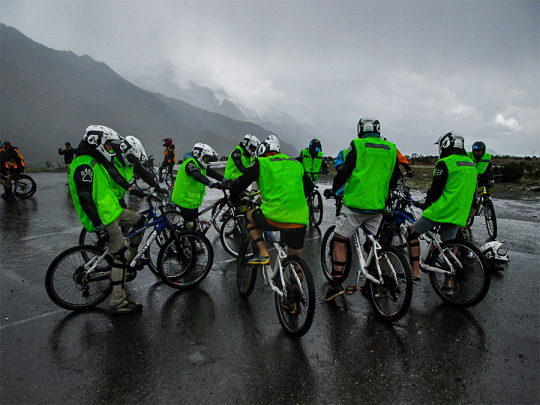
we will pick you up between 6:00 to 6.30 am, then we will leave the city seeing beautiful natural surroundings of Sacred Valley at about 2700 m.a.s.l. Arriving at the town of ollantaytambo we start the 46 km. uphill to the abra malaga (Mountain Pass at 4350 m.a.s.l.) approx. Here, we will change the biking kit provided (gloves and helmet) and receive a 20-minute briefing by our tour guide. After, start our descent by bicycle, passing by little rustic villages, fruit groves and streams arriving at the small village of Santa Maria, we’ll traverse the pass by bike toward wamanmarca (3 hours. After the bike ride, we’ll take a mini-bus to of Santa Maria – Santa Teresa. In Santa Teresa, you can enjoy the hot springs (Lunch, Dinner, Hostal).
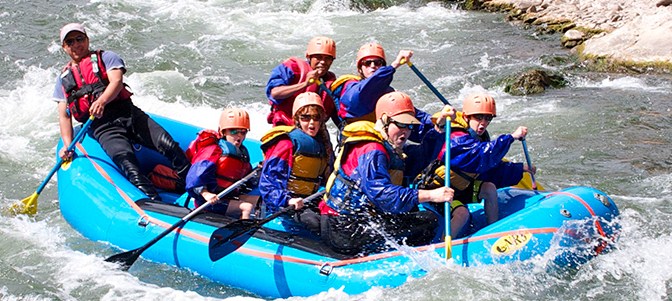
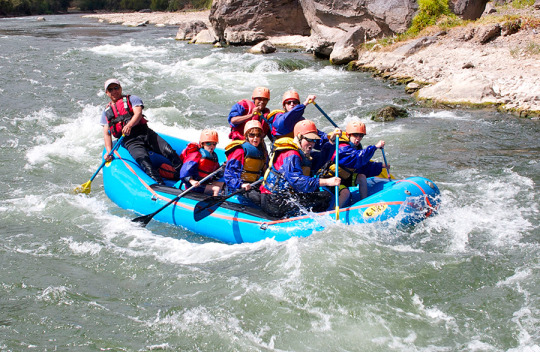
Optional activity: rafting that will take two hours to do it (level of rapids depends of the season) $35 extra dollars.

– Shuttle to Abra Malaga: 3.5 hour by bus from Cusco
– Biking distance: 65km 40mi
– Biking time: 3.5 to 4 hour approximately.
– Climate: cold at the beginning of the biking and very hot in the night.
– Optional Rafting Tour in Santa Maria, US$35 Pay Directly To The Operator
– Maximum Altitude: 4350 meters / 14271 ft.
– Minimum Altitude: 1250 meters / 4691 ft.
DAY 2: SANTA TERESA – AGUAS CALIENTES (TREKKING)

After breakfast we will continue our Adventure to the Hydroelectric (power plant), This part of the trek is called the waterfall day where we’ll pass many cascades. In Hydroelectric we will enjoy of a great lunch. And after a break we will continue walking along this great inca jungle tour for 3 hrs., enjoying beautiful waterfalls, going through coca and coffee farms along the railway until arriving at the town of Aguas Calientes around4 pm. Here the group will spend the night in a hostel.
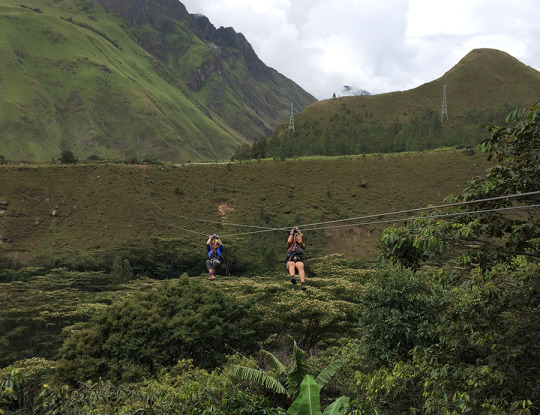
Optional activity: ZipLine before you get to the Hydroelectric US $ 30 extra dollars.
– Hiking distance: 19 Kilometers / 12.3 mile

– Climate: hot in the day and warm in the night.
– Optional Zipline Tour in Santa Teresa, US$30
– Hiking time: 6 hour approximately.
– Maximum Altitude: 2050 meters / 6725 ft.
– Minimum Altitude: 1430 meters / 4691 ft.

DAY 3: MACHU PICCHU – CUSCO

After an early breakfast at the hotel, we walk uphill to Machu Picchu at 5:00 am. or take the bus from Aguas Calientes to Machu Picchu (Optional bus $16 each way), upon arrival at the Citadel we can appreciate the enigmatic beauty and the incomparable example of architectural perfection and hydraulics of one of the 7 Wonders of the Modern World, we will have a guided tour of about 2 hours, where we can appreciate the Main Plaza, the Circular Tower, Intihuatana, The Royal Quarters, the Temple of the Three Windows and the Cemetery, you are then given free time to stroll around the citadel . You will have all morning in Machu Picchu to take pictures, maybe to climb the Wayna Picchu or Machu Picchu Mountain, enjoy this mystical place. Then we´ll descend by bus to Aguas Calientes for lunch and then calmly return by train to Ollantaytambo where our tourist transport to the city of Cusco will be expecting us, and will later transfer you to your hotel.
OTHER ACTIVITIES:
Climb up Huayna Picchu and appreciate the beauty and magnificence of Machu Picchu from there (We recommend that you book in advance) Not Included
Climb Machu Picchu Mountain and appreciate the beauty and magnificence of Machu Picchu from there (We recommend that you book in advance) Not Included
Visit the new local museum or the hot springs in Aguas Calientes later in the day. Not Included

– Meals: Breakfast
– Tour: 2 hour guided tour of Machu Picchu

INCA JUNGLE TRAIL INFORMATION.
 

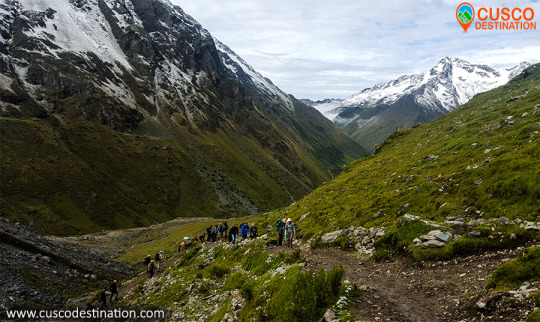
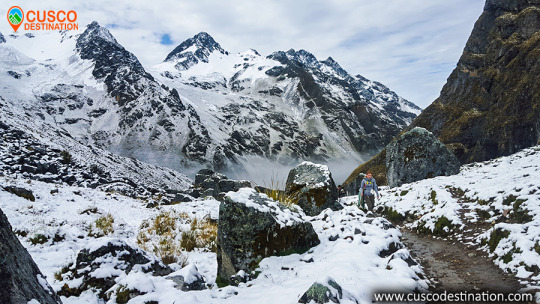
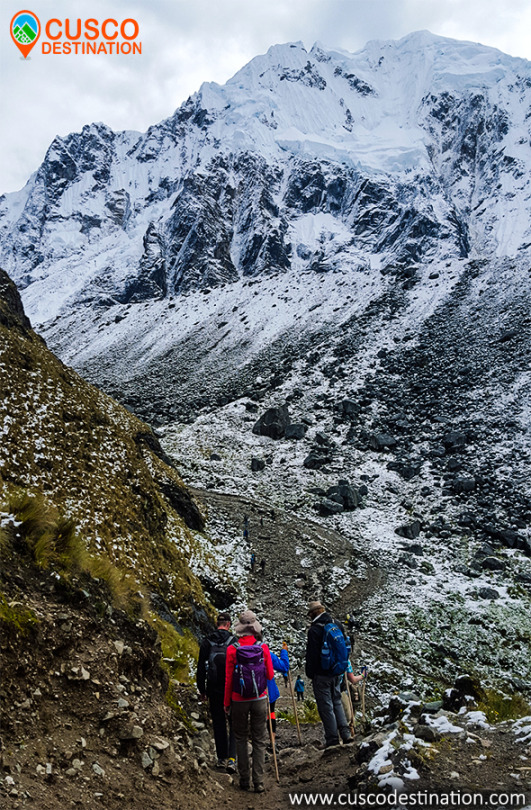
The snowy Salkantay: information about the Salkantay trek

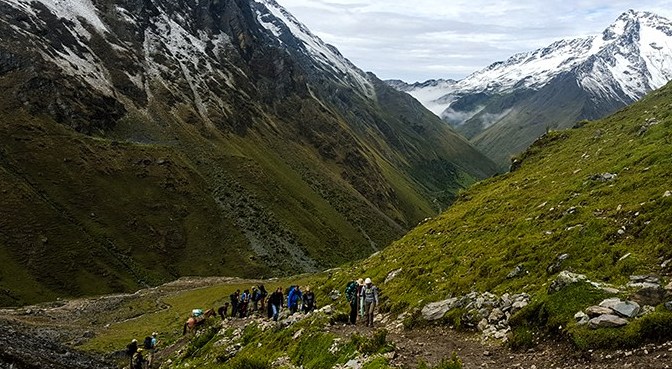
MORE TOURS IN CUSCO TO MACHU PICCHUOne of the most incredible ways to visit Machu Picchu is through the Salkantay trek. This 5-day and 4-night hiking route crosses the imposing snow-capped Salkantay and then reaches the Wonder of the World. Would you like to know Machu Picchu with this adventure surrounded by amazing landscapes? Know everything you need to know about the Salkantay trek.

What does Salkantay mean?
The Salkantay is a snowy mountain whose name translated from Quechua would mean ‘Wild Mountain’. This summit is known as ‘Apu’ (‘Lord’) for its majesty and elevation.

Where is it located?
The pu Apu ’Salkantay is located in the Vilcanota Mountain Range in the Andes of southern Peru. This snow-capped mountain is the second largest in Cusco, after Ausangate (Mountain of the 7 Colors).

How high is the snowy Salkantay?
The snowy Salkantay reaches 6,271 meters above sea level (m.s.n.m.). The trek route that leads to Machu Picchu has its highest point in the ‘Abra Salcantay’, at 4,650 m.a.s.l. From there you can see the peak of the snowy peak.

How’s the weather?
The snowy in itself presents an extremely cold climate (several degrees Celsius below 0º).

The climate during the Salkantay trek, on the other hand, is varied. The intense sun and the nightly cold in the early days are changed by the tropical environment in the latter.

What is the flora and fauna like?
The 5 days and 4 nights of the Salkantay trek cover landscapes with a great variety of flora and fauna. Among the species of flowers and plants, the orchid and the ichu (Andean grass) stand out. Among the species of birds and animals, it is worth mentioning the llama, alpaca, vizcacha, condor, spectacled bear and the cock of the rock (national bird of Peru)

Salkantay trek: everything you need to know

What is the Salkantay trek?
The Salkantay trek is a hiking route that takes the visitor to the Inca City of Machu Picchu. The total walking distance is approximately 70 kilometers (5 days of route).

The Salkantay trek is considered among the 25 best excursions in the world by National Geographic Adventure Travel Magazine.

Classic Salkantay trek 5 days is considered by most to be the best alternative route, This walk allows you to enjoy the options that there is in the salkantay route, you will go up to humantay lake, you will pass for the highets point of the salkantay route to be to see salkantay mountain up close, you hike through the santa teresa valley that is full of vegetation is the begining of the peruvian amazon, you have the chance to see, plantations of coffe, coca, avocados, bananas and much more, this valley is full of fresh wáter with many waterfalls and also if your choisce this hike, you will have enouth time do the relaxing hot springs of colcalmayo in santa teresa. and also you can do Llactapata hike on 4th day of the our advedventure, if you are an adventures person you got the chance to do the biggest and longest zipline of southamerica. choose this one and get a perfect adventures vacation to Machu Picchu.

Useful Information

– Starting Altitude – 3350 meters / 10990 feet .
– Highest Altitude – 4600 meters / 15091 ft
– Walking Distance – 12km / 7.45 miles
– Campsite Elevation – 3920 meters / 12861 ft
– Meals – 4 breakfast, 4 lunch, 4 dinner, 3 tea times, 3 wake up tea
– Overall Difficulty – Moderate – Changing
– STARTING POINT: – Cusco at your hotel

IMPORTANT INFORMATION:

The snow-capped Salkantay is one of the highest mountains in Cusco, along with the Ausangate mountain in the Vilcanota mountain range which is located further south.
The Salkantay Trek to Machu Picchu is listed as one of the 25 best treks in the world by National Geographic Adventure Travel Magazine.
The Salkantay Trek is definitely one of the very best trekking adventures that you will find in Cusco and in Peru. After the Inca Trail classic or Inca Trail short, the Salkantay route is the 2nd most popular to Machu Picchu (and a lot less crowded).
Machu Picchu is one of the 7 Wonders of the Modern World, Heritage of Humanity, Historical Sanctuary of Peru and probably the most important archaeological site in Latin America.
Machu Picchu is majestic architecture comprises 140 structures throughout the citadel.
Machu Picchu is was built by the Inca Pachacutec around the year 1460
After being forgotten, it was only in 1911 that the American Hiram Bingham reached Machu Picchu on an expedition and spread the site worldwide.

Brief Itinerary

– DAY 1: Cusco – Mollepata – Humantay Lake – Soraypampa
– DAY 2: Soraypampa – Salkantay Pass- Huayracmachay – Chaullay
– DAY 3: Chaullay – La Playa – Santa Teresa (2nd option camp in Lucmabamba)
– DAY 4: Santa Teresa – Hidroelectrica – Aguas Calientes (Llactapata – Aguas Calientes)
– DAY 5: MACHU PICCHU – CUSCO

MORE TOURS IN CUSCO TO MACHU PICCHU


INCA TRAIL TO MACHU PICCHU

The Incas covered much of the South American continent. To maintain communication in such a vast territory, it was necessary to build a network of roads. Thus, the Inca ordered to build a network of roads called Qhapac Ñan (Inca Trail).

The Qhapac Ñan managed to cover up to 30 thousand kilometers from the current countries of Peru, Ecuador and part of Bolivia, Chile, Argentina and Colombia. The trekking route from the Inca Trail to Machu Picchu is only a small part of the extensive network of roads of the Qhapac Ñan.

The Inca Trail to Machu Picchu

The Inca Trail was revealed to the world in 1915 when it was being excavated in the Inca City. Three decades later, the route was traced by the Viking expedition in 1942. Today, thousands of visitors decide to travel the 43 kilometers to the ‘Puerta del Sol’ in Machu Picchu.

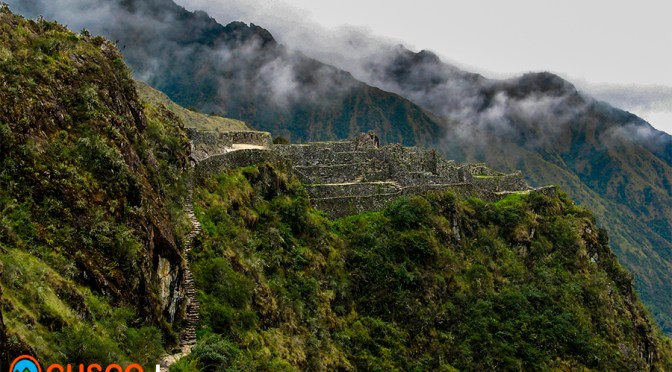
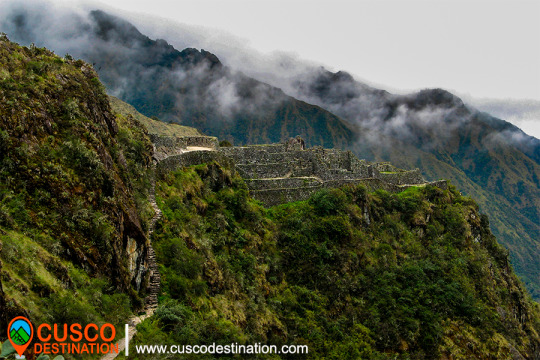
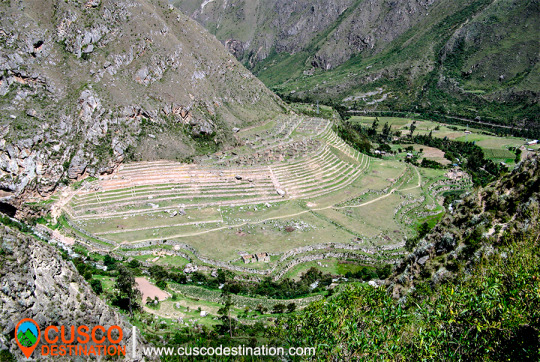
However, Machu Picchu is not the only archaeological site that you will see on the Inca Trail. On the tour you will also appreciate the ruins of Llactapata, the archaeological site of Runkurakay, Saycamarca, Phuyupatamarca and Wiñaywayna.

There are trains and buses that can take you directly to Machu Picchu. However, the experience of arriving as the Incas did for centuries is unmatched.

Versions of the Inca Trail to Machu Picchu

Not all people have the days necessary to travel the Inca Trail (4 days and 3 nights). That is why there are 3 versions depending on the time you have:

  1. Classic Inca Trail: 4 days and 3 nights (43 kilometers of walking).
  2. Imperial Inca Trail: 5 days and 4 nights (43 kilometers of walking).
  3. Short Inca Trail: 2 days and 1 night (12 kilometer walk).

About tickets to enter the Inca Trail

Due to the high demand for tickets, you must get the entrance tickets to the Inca Trail well in advance (6 months). The purchase is made only online through the website of an authorized tourism agency.

In total 500 people enter the trails of the Inca Trail every day. Of these, only 200 are tourists. The rest are support staff such as cooks, porters, guides. The ticket to enter the Inca Trail includes support staff.

Did not find availability to do the Inca Trail? 

The only way to enter the Wonder of the World is by train through the Sacred Valley of the Incas or by the alternative route from Santa María to Machu Picchu. Entrance tickets to Machu Picchu must also be reserved in advance.

Do you want to enter the Huayna Picchu after the Inca Trail? Request entry into the agency paying an extra price. You can also request a more luxurious train service.

INFORMATION OF INCA TRAIL TO MACHU PICCHU


INFORMATION OF THE INCA QUARRY OF CACHICATA – OLLANTAYTAMBO – CUSCO

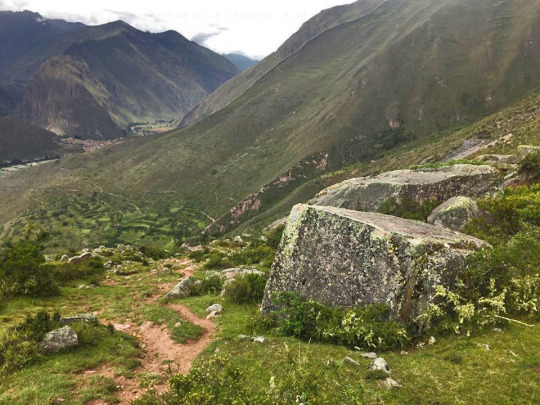
While in Ollantaytambo the first objective is to reach the Cachicata quarry located six km from Ollantaytambo and at an altitude of approximately 4,100 m. There, not only did the Incas extract the enormous stones, but they also partially carved them to be later lowered to the Vilcanota valley and from there, climbed them up a steep slope to the Ollantaytambo fortress. CACHICATA TREK INFORMATION

We know from the tools that the Incas abandoned in the quarry that they used the same stone for extraction: granite and basalt hammers, obtained in the Vilcanota river.
As for the transfer of the immense rocks, we do not stop questioning the time, the way and the enormous amount of people contributing their strength and ingenuity. There is no doubt that the Inca people were a construction expert. His numerous works that still endure in the Sacred Valley bear witness to this: the Coricancha, Sacsayhuamán, Ollantaytambo, Machupicchu, etc.
Next to the quarry there are small constructions known as “CHULLPAS”. The ones that we could see here are small towers with a circular base, built with stones joined with mortar of red clay and straw. These are funeral constructions that abound in the Altiplano of Peru and Bolivia. Those of Cachicata, due to their small size, served as a grave for a person, in which they generally placed the deceased in a fetal form along with some belongings. As we can see the illustrations present, they have a rectangular opening or entrance. And covered at the top.

From this place, the view is recreated with the scenic picture in front of it. At our feet the wide plain crossed by the Vilcanota river, with its various green tones characteristic of these rainy months; to the front, the imposing peaks of the Andes, among which Veronica stands out fighting against the clouds to show her white hair.
Our descent into the valley is made by the same ramp that the Incas used to slide the pink stone blocks. Along this journey, you can see how some of these stones did not reach their destination; they are known by the name of “Piedras Cansadas”.
Already entered in the municipality of Ollantaytambo, we had two important archaeological-logical centers to visit: the city and its Inca fortress.

MORE INFORMATION OF INCA QUARRY TREK