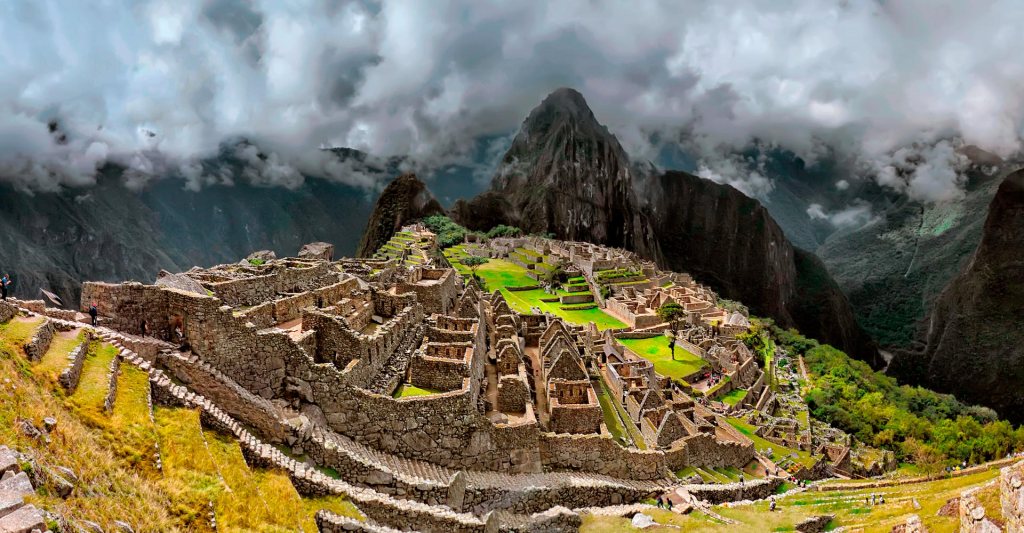
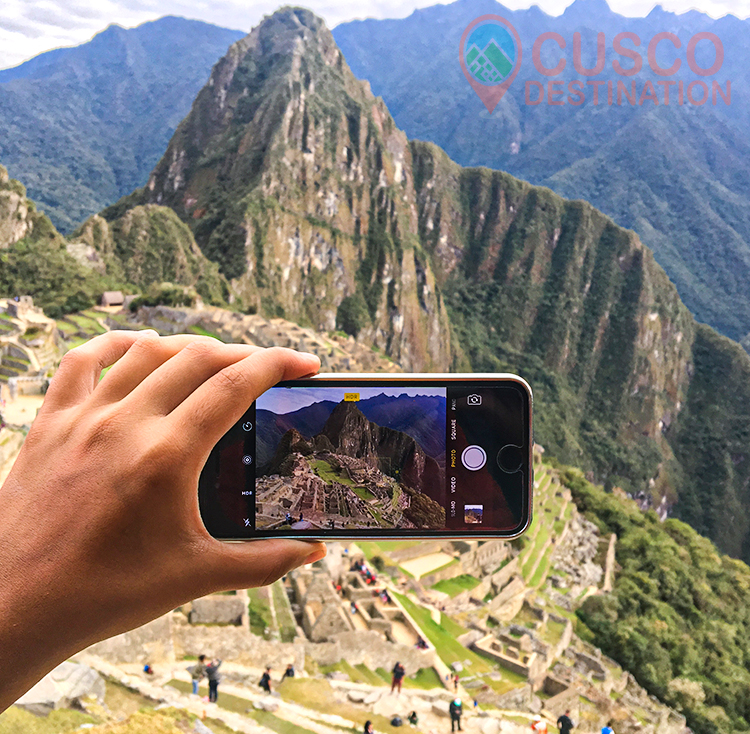
Considering a bucket list trip to Machu Picchu but unsure of when to go? You’re not alone. With Peru’s location in the Southern Hemisphere, high altitude and abundance of mountains, the country has anything but your standard four seasons. Top this with rainy and dry months, peak tourist dates, Peru travel restrictions and limited permits to hike the Inca trail, and you have a brainbuster of a puzzle deciding when the best time to visit Machu Picchu is. No need to stress; the local experts are here to help.
The best time to visit Machu Picchu is the months of May and October. On either side of the main tourist season of June through August, you’ll have quieter trails, yet the weather is ideal for trekking the Inca Trail with plenty of clear, beautiful days.
Once you have your dates chosen, the next step is the tricky process of securing your tickets to visit Machu Picchu and hike the Inca Trail. Or, if you prefer to leave the planning to the experts, grab your spot on a Machu Picchu Tour and let two excellent guides take care of every last detail for you.
First things first, you’re probably curious if Machu Picchu is open to visitors. The answer is a big yes – Machu Picchu is open and ready to be explored! Like many other monuments around the world, Machu Picchu was closed to visitors in March of 2020. However, it is now back open with new safety protocols and a more limited capacity. As tickets sell out faster now, it’s recommended to book your visit a few months in advance or join a tour group that has availability.
Machu Picchu Weather
Overall, Machu Picchu has very pleasant weather. Warm days and cool evenings all year round make it an ideal location for hiking, and Machu Picchu rarely sees freezing or scorching temperatures.
Machu Picchu Temperatures
Located at 2440 metres (8000 feet), you may be surprised to learn that Machu Picchu’s temperatures are relatively mild all year round. Temperatures stick between 50 to 80 degrees Fahrenheit (10 to 27 degrees Celcius) year-round on average, with only a few degrees difference between mid-summer and mid-winter. With Machu Picchu’s high altitude, you can expect the weather to change unexpectedly, so always be prepared for both rain and sun.
Machu Picchu Rainy Season
For many, the rainy season is not the ideal time to visit Machu Picchu. Between December and February, you’re much more likely to experience periods of heavy rainfall, which can cause the trail to be muddy and slippery. However, with the proper gear and an adventurous spirit, you can experience Machu Picchu in solitude.
What is the best month to Visit Machu Picchu?
If you don’t mind the crowds and prefer all day sun, August is your go-to. Whereas if you’d like to stay well clear of the crowds and don’t mind a bit of humidity, May and October are ideal months. Each month brings its own characteristics and benefits to visit Machu Picchu. We go into more detail below.
Machu Picchu in January
January is the rainiest month of the year; you always have good rain gear when visiting Machu Picchu. If you are traveling this month, you need to be prepared for itinerary changes, trail closures due to landslides, train delays, and flight cancellations.
The temperatures in Machu Picchu will vary from highs around 71°F (21°C) and lows around 45°F (7°C). This month is good for those travelers who would like to visit Machu Picchu in solitude and get good deals in hotels, flights, and tours.
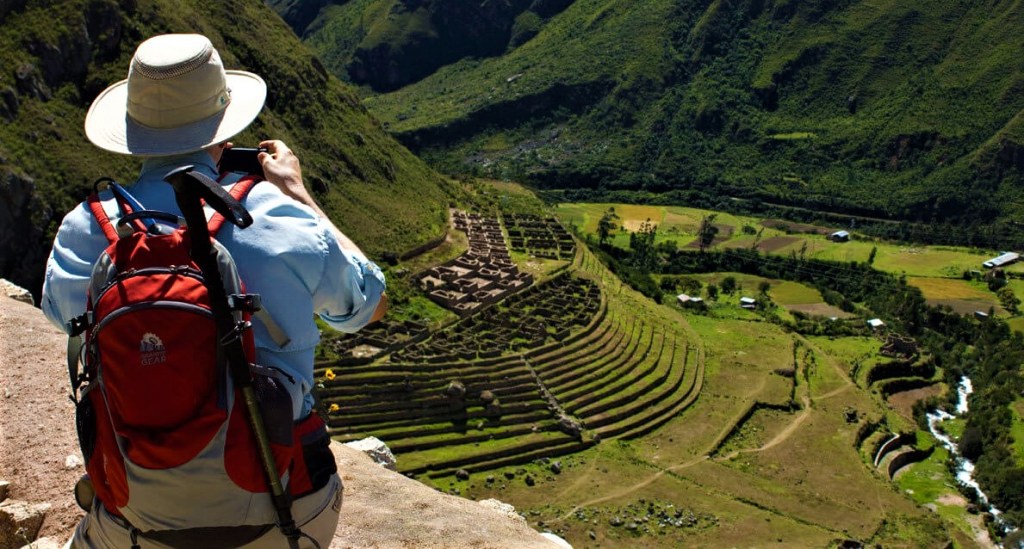
Machu Picchu and Inca Trail tours are available every day; we recommend avoiding Salkantay Trek, Choquequirao Trek. If you are hiking to Machu Picchu, the best tour for this month is the Lares Trek.
Machu Picchu in February
February is the heart of the rainy season; even though si expected fewer rainy days than January, February is expected to have heavy rains. The number of visitors to Machu Picchu reachest the lowest point during this month.
The temperatures in Machu Picchu will vary from highs around 72°F (22°C) and lows around 46°F (8°C). Travelers must be prepared for rain, schedule changes due to landslides, or bad weather.
February is one of the worst months of the year to visit Machu Picchu. Most of the trails like Inca Trails, Salkantay Treks, Choquequirao treks will be closed. If you plan a hiking trip, we recommend the Lares Trek to Machu Picchu.
Machu Picchu in March
During March, the weather starts improving with more sunny days and fewer hours of rain every day. The second half of the month is the preferred time for travelers.
The temperatures in Machu Picchu will vary from highs around 71°F (21°C) and lows around 42°F (6°C). Most trekking tours will be open again after February, including the Inca Trails.
We recommend avoiding tours like Salkantay Treks as there are located in the Amazon area and rains are still weighty.
Machu Picchu in April
April starts with more travelers arriving in Machu Picchu, the shoulder season starts with great weather, few rainy days, and travelers will see the sunrise more often in Machu Picchu.
The temperatures in Machu Picchu will vary from highs around 73°F (22°C) and lows around 39°F (4°C).
This is the perfect time to take a hiking tour to Machu Picchu and travel by train. Tours will sell out fast, and you need to book in advance.
Machu Picchu in May
The dry season starts; however, you must be still be prepared for rainy days. May is usually busy in the Inca Trail, Machu Picchu, and all hiking tours. The weathering May makes it perfect for visitors with a clear sky and amazing views of the mountains.
The temperatures in Machu Picchu will vary from highs around 86°F (30°C) and lows around 42°F (6°C).
May is arguably one of the best months to visit Machu Picchu, hike the Inca Trail, Salkantay trek, Lares trek, and other alternative hikes.
Machu Picchu in June
June starts the high season for tourism in Peru; thousands of travelers will arrive in Peru, especially from the northern hemisphere, where they have summer vacations. Little rains are expected during these months.
The temperatures in Machu Picchu will vary from highs around 83°F (28°C) and lows around 44°F (7°C).
Most tours like the Inca Trail, Salkantay, Lares trek will be crowded; you need to book in advance.
Machu Picchu in July
July is the heart of the dry season and also the winter season in Peru. Due to its location of Machu Picchu, the temperature will not have many variations; however, in the mountains, the temperature will drop below freezing, especially at night and early morning.
The temperatures in Machu Picchu will vary from highs around 82°F (27°C) and lows around 44°F (7°C).
During this month, there are long lines to get the buses, trains to enter Machu Picchu. You must book hotels, tours far in advance.
Machu Picchu in August
Historically, August is the month when we get the most number of visitors. You must be prepared to see many visitors in every place you visit and wait in line to board the buses and enter Machu Picchu.
The temperatures in Machu Picchu will vary from highs around 78°F (26°C) and lows around 42°F (6°C). All trails are available; we recommend alternative treks.
Machu Picchu in September
The rains are back in September, and the dry season will end; the cold winter is also replaced by cooler weather in the mountains.
The temperatures in Machu Picchu will vary from highs around 73°F (22°C) and lows around 44°F (7°C). All trails are available; we recommend alternative treks.
With the drop in the number of visitors to Peru, Machu Picchu’s long lines are over and make it perfect for hiking in the mountains.
Machu Picchu in October
October is one of the best months to visit Machu Picchu, as the transition months between the dry season and wet season, little rains are expected, and we’re away from the cold weather from the winter season.
The temperatures in Machu Picchu will vary from highs around 72°F (22°C) and lows around 41°F (5°C). The perfect month to travel to Machu Picchu as we have a lot of availability and fewer visitors.
Machu Picchu in November
November starts the rainy season officially; however, we will have weeks of sun and nice weather.
The temperatures in Machu Picchu will vary from highs around 78°F (25°C) and lows around 45°F (7°C). The number of visitors to Machu Picchu will continue decreasing, and the hiking tours will have fewer visitors.
Machu Picchu in December
The rains will occur more often; however, the number of travelers will increase in the last weeks for the end-year holidays.
The temperatures in Machu Picchu will vary from highs around 71°F (21°C) and lows around 44°F (6°C). This is one of the last months to have good weather before entering the heavy rainy season.
Best time to hike the Inca Trail
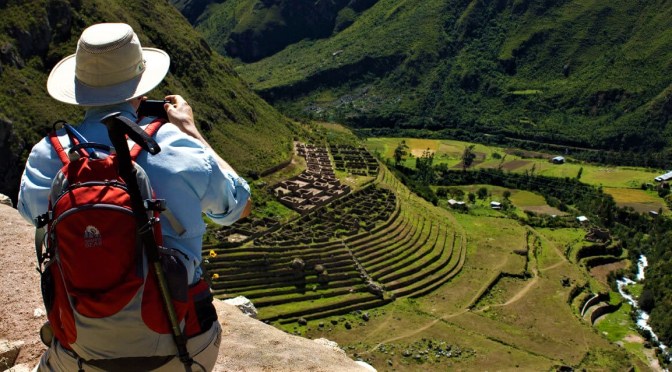
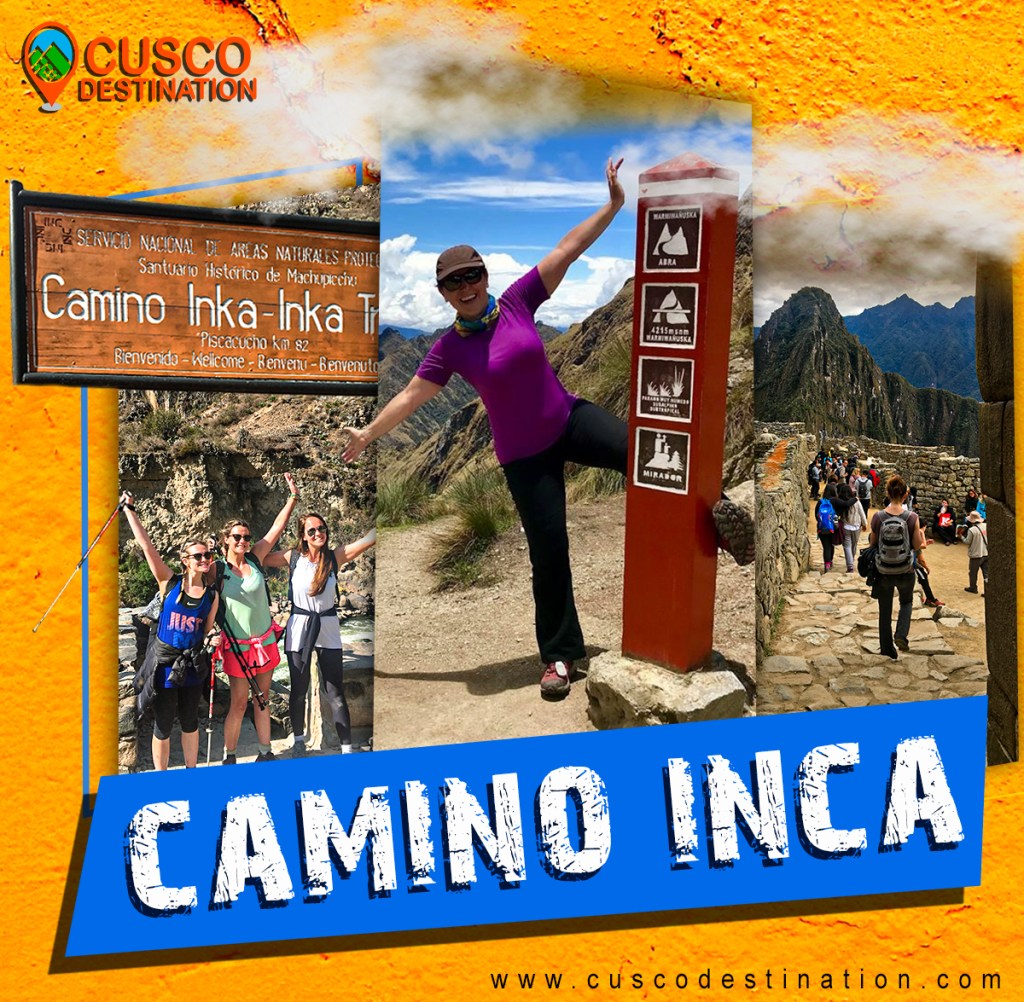
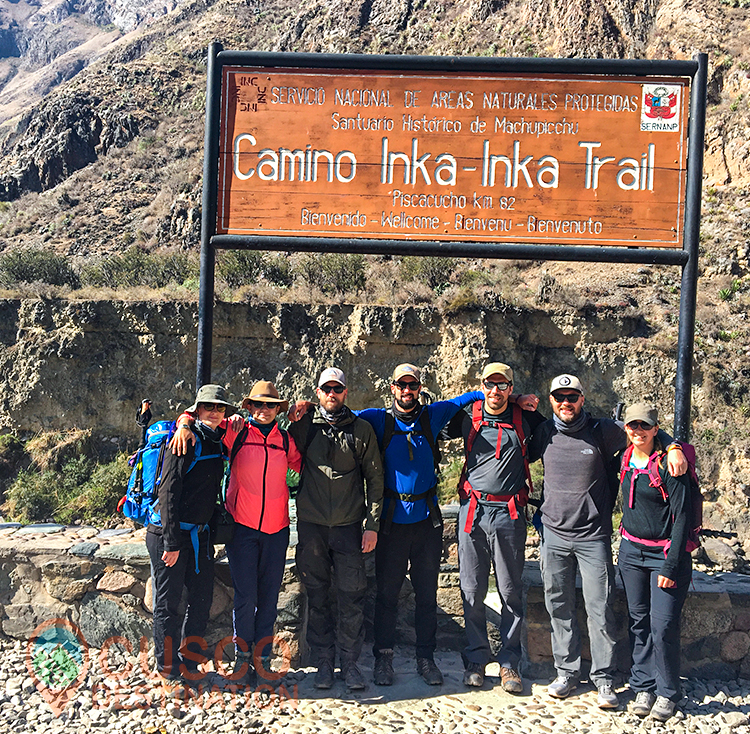
Similar to Machu Picchu, hiking the Inca Trail is best just outside the busy dry season. The temperatures in October are ideal for hiking, ranging from 22˚C (72˚F) during the day to 12˚C (54˚F) at night. May is another great time to hike the Inca Trail, with similar temperatures and quiet trails. Even so, if you don’t mind the crowds and want nearly guaranteed sunny days, July and August will be superb. Just be sure to book your Inca Trail hike to Machu Picchu in advance as permits sell out quick!
Inca Trail weather
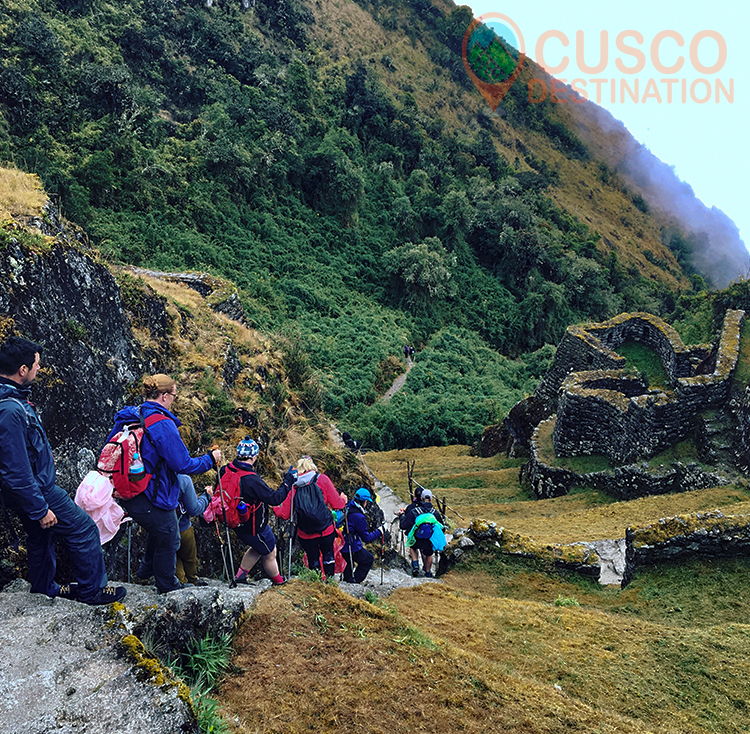
While the Inca trail has distinct wet and dry seasons, you always want to be prepared for any weather. The months of June, July and August provide plenty of beautiful blue sky days, but you’ll want rain gear just in case. You’ll also want plenty of layers, as temperatures can start chilly in the morning, and by the afternoon, you’ll be hiking in shorts and a t-shirt.
When is the Inca Trail Closed?
The Classic Inca Trail is closed each year for the month of February. The wet season is at its peak between January and March, so with fewer hikers about, it’s a great time to keep the trail in world-class condition. During these months, you can still hike the Lares Inca Trail on your journey to Machu Picchu.
Best Time of day to Visit Machu Picchu
You can visit Machu Picchu between its opening time at 6 am and its closing time at 5:30 pm daily. For the best experience, try and visit either first thing in the morning or after 3 pm. By arriving right at 6 am, you’ll be able to watch the sunrise and beat the mid-morning and afternoon crowds. If you prefer more of a sleep in, after 3 pm is another great time. The majority of the crowds have already left, and depending on the time of year, you’ll get to watch the very much underrated sunset.
Planning a trip to Machu Picchu
If you are thinking of organising a Machu Picchu trip yourself, it is a good idea to book well in advance, say at least a couple of months out if you want to go during the busy season. Due to the sheer number of different historical and cultural places on offer in Peru, unless you are travelling with a local guide or someone who knows all of the local legends and off the beaten track hidden treasures, it’s well worth doing your homework before setting off for Peru. Here is a list of things to do in Machu Picchu you should consider!
When is Machu Picchu the Most Crowded?
In the main season of June through August, you can assume every day will be busy at Machu Picchu. Outside of the dry season, other dates also see an influx of travellers, students and families. These include:
Thanks giving Holiday – End of November
Christmas Holiday & Winter break – December 23 to mid/late January
Spring Break – One week in March or early April. This is a popular time for students to visit the Americas
Summer Break – Early/mid-May to the day after Labour day in early September
Major federal and state holidays – Religious holidays also need to be considered
Peru Independence Day (July 28 – 28), a very popular time for Peruvians to visit Machu Picchu
Availability of Machu Picchu Tickets
To ensure every visitor can experience Machu Picchu’s magic, without hoards of people, the Peruvian government controls the number of people allowed to visit each day and how long visitors can stay and where they can explore. These controls also ensure Machu Picchu is preserved as a World Heritage Site and generations to come can appreciate its beauty.
As prices and number of visitors have been changing due to the COVID-19 pandemic, please refer for the most up-to-date information. Or, if you prefer to leave the planning to local experts, join an all-inclusive Inca Trail and Machu Picchu tour.


 INFORMES Y RESERVACIONES:
 Camino Inca Clasico de 4 dias
 info@cuscodestination.com


 cusco destination